 EN

Inside Our CNC Machining Workshop: From Drawing to Finished Part
Most suppliers show you a parts catalogue. We would rather show you the floor where the parts are actually cut.
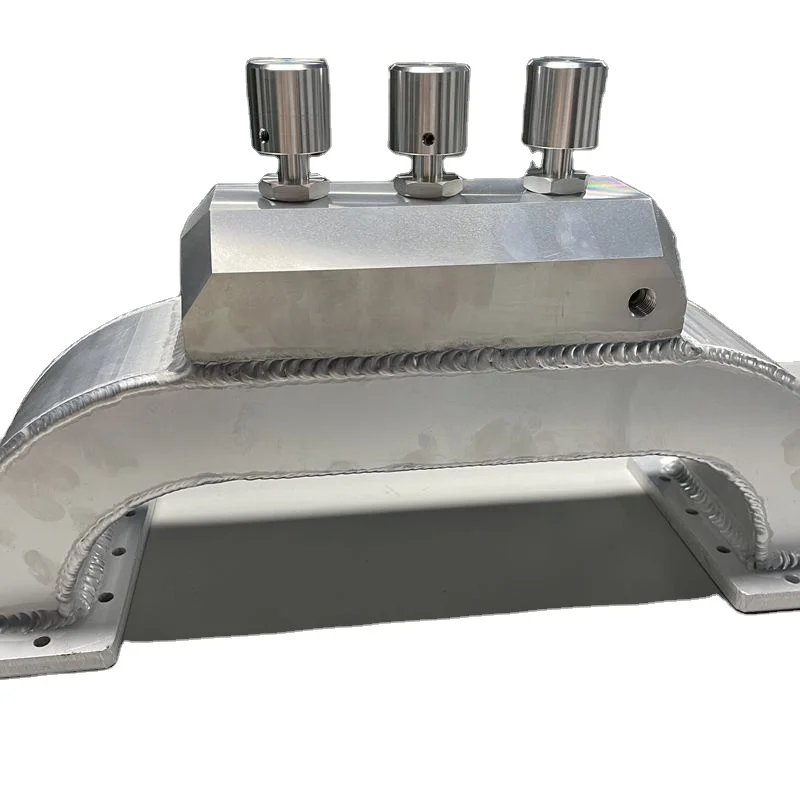
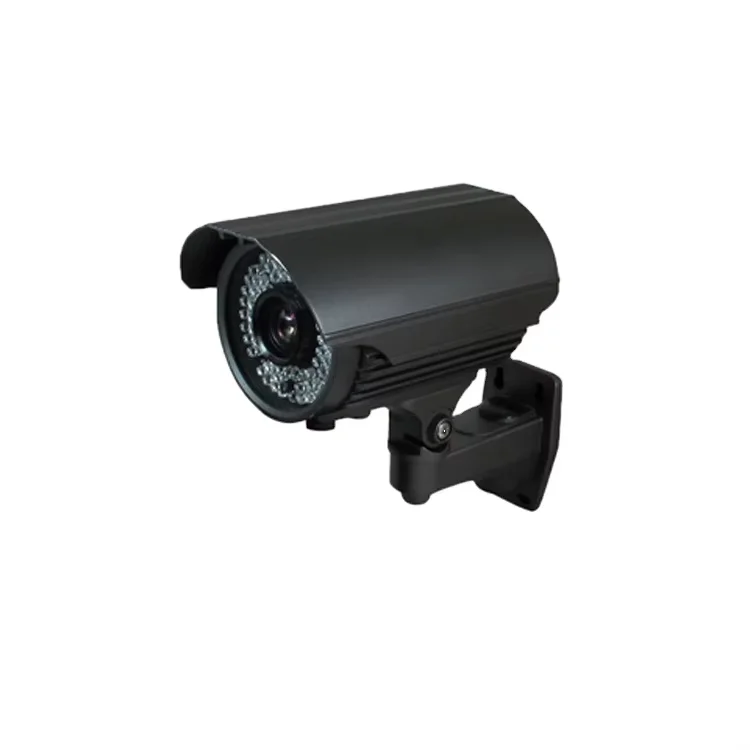
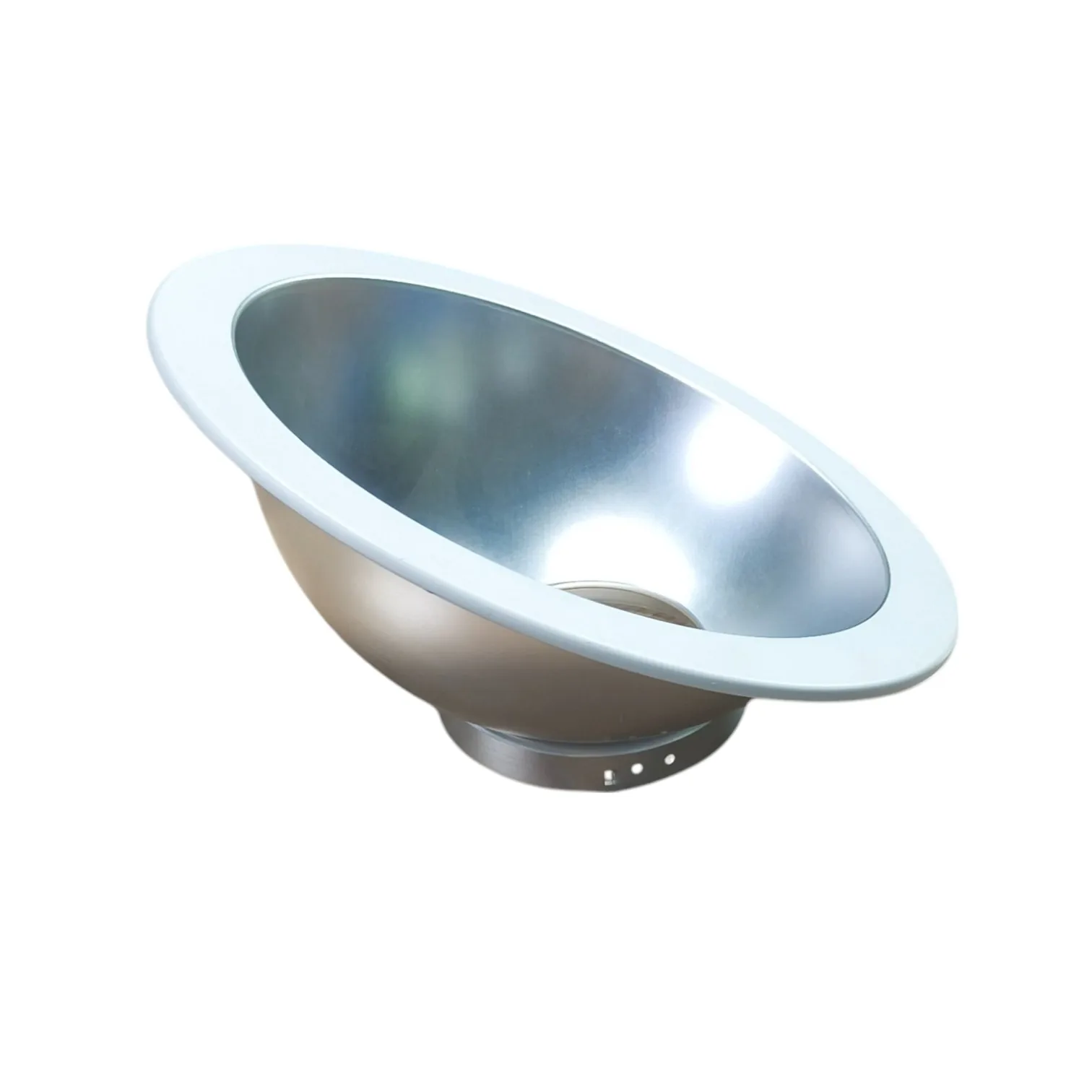
The footage below was shot during a normal production shift in our Shenzhen machine shop — no staging, no stock video. It walks through the cells that produce custom CNC machined parts for security camera housings, heat sink enclosures, industrial brackets and automation components.
A walk through our CNC machining workshop: milling, turning, finishing and final inspection.
What you are watching
Three areas run in parallel on the floor:
- Milling. Vertical machining centers running 3- and 4-axis work on aluminium, stainless steel and brass housings, covers and brackets.
- Turning. CNC lathes for shafts, threaded inserts and parts that depend on tight concentricity.
- Finishing and inspection. Deburring, bead blasting, anodising and powder coating, followed by dimensional checks before anything is packed.
The shop runs 19 machining centers and 10 CNC lathes, covering the full range — one-off prototypes, small batches and volume production on the same floor. That matters more than it sounds: the part you approve as a sample is made on the equipment that will make your order, so nothing changes when your quantity grows.
How we hold tolerances
Precision is not a claim on a spec sheet — it is a sequence of checks. Each job follows the same path:
- Incoming material verified against the certificate before it reaches a machine.
- First article measured in full and photographed for your approval.
- In-process checks at fixed intervals during the run, not only at the end.
- Final dimensional report available with every shipment.
Typical machining tolerance is [±0.01] mm, with tighter callouts reviewed case by case during quoting. If a dimension on your drawing will drive cost without adding function, we say so before you commit.
From your drawing to the first part
- Drawing review. We check manufacturability, tolerances and finishing, and flag anything that will cost you money for no benefit.
- Quotation. Unit price, tooling, finishing options and lead time in one document.
- Programming and fixturing. Toolpaths and workholding built for your geometry, not adapted from a similar job.
- First article. Dimensions and finish photos sent for sign-off.
- Production and inspection. Batch run, checked, packed to your requirement.
Send drawings as STEP/STP, PDF, DXF or DWG. If your model is still in progress, a PDF with critical dimensions is enough to start the conversation.
Materials and surface finishes
Common materials include 6061 and 7075 aluminium, 303/304/316 stainless steel, brass, copper, and engineering plastics such as POM, ABS and PC. Finishing is handled in-house or through long-standing partners: anodising (clear, black, colour), powder coating, bead blasting, passivation, zinc plating, laser marking.
Because we also run die casting and sheet metal under the same roof, machined components can be produced as standalone parts or as secondary operations on castings and welded assemblies — one supplier, one set of tolerances, one shipping date.
Quality system
The workshop operates under IATF 16949 and ISO 14001, with RoHS compliance on request. Inspection records, material certificates and first article reports are standard documents, not favours. We have been building to customer drawings for over 30 years, and most of our work is repeat production for buyers who started with a single prototype.
Questions buyers usually ask
What is your minimum order quantity?
One piece. Prototypes, small batches and volume orders are all run in-house — most long-term programmes start with a single sample and scale from there.
How long does a prototype take?
15–30 days depending on complexity, material and finishing. Production lead time is confirmed in your quotation, since it depends on quantity and the finishing route.
Do you sell standard parts from stock?
No. We are a custom manufacturer: every part is built to your drawing, your material and your finish. No catalogue items, no design service.
Will you sign an NDA?
Yes, before drawings are shared if you prefer.
Send a drawing, get a quote
Upload a STEP or PDF file with your target quantity and finishing requirement. You get price, lead time and any manufacturing notes back — usually within one business day.
Or email drawings directly to [email protected]. MOQ from one piece · NDA on request · IATF 16949 · ISO 14001



 Hot News
