Casting Guide
Casting is not one process. At least eight distinct production methods sit under that single word — and the gap between them, in tooling cost, wall thickness, tolerance and lead time, is wider than most buyers expect.
That gap matters because the wrong choice is expensive in both directions. Over-specify and you pay for a hardened steel die you never needed. Under-specify and the problem surfaces later, as porosity on a machined face, a draft angle that will not release, or a unit price that quietly eats your margin.
Below is a practical map of the casting family, the four processes we run in-house — high-pressure die casting, gravity casting, sand casting and investment (lost wax) casting — and how to tell which one your part belongs in.
Sand casting. A disposable sand mold, a pattern, and gravity. The lowest tooling cost in the industry and almost no size ceiling, which is why it still dominates large parts and low volumes. Surface finish and dimensional consistency are the trade-off.
Gravity casting (permanent mold). Molten metal poured into a reusable steel mold under gravity alone. Finer grain and better mechanical properties than sand, with tooling that lasts. The workhorse for structural aluminium parts at medium volume.
Low-pressure die casting. The mold fills from below under gentle gas pressure, giving a calmer fill than gravity. Common for wheels and pressure-tight components.
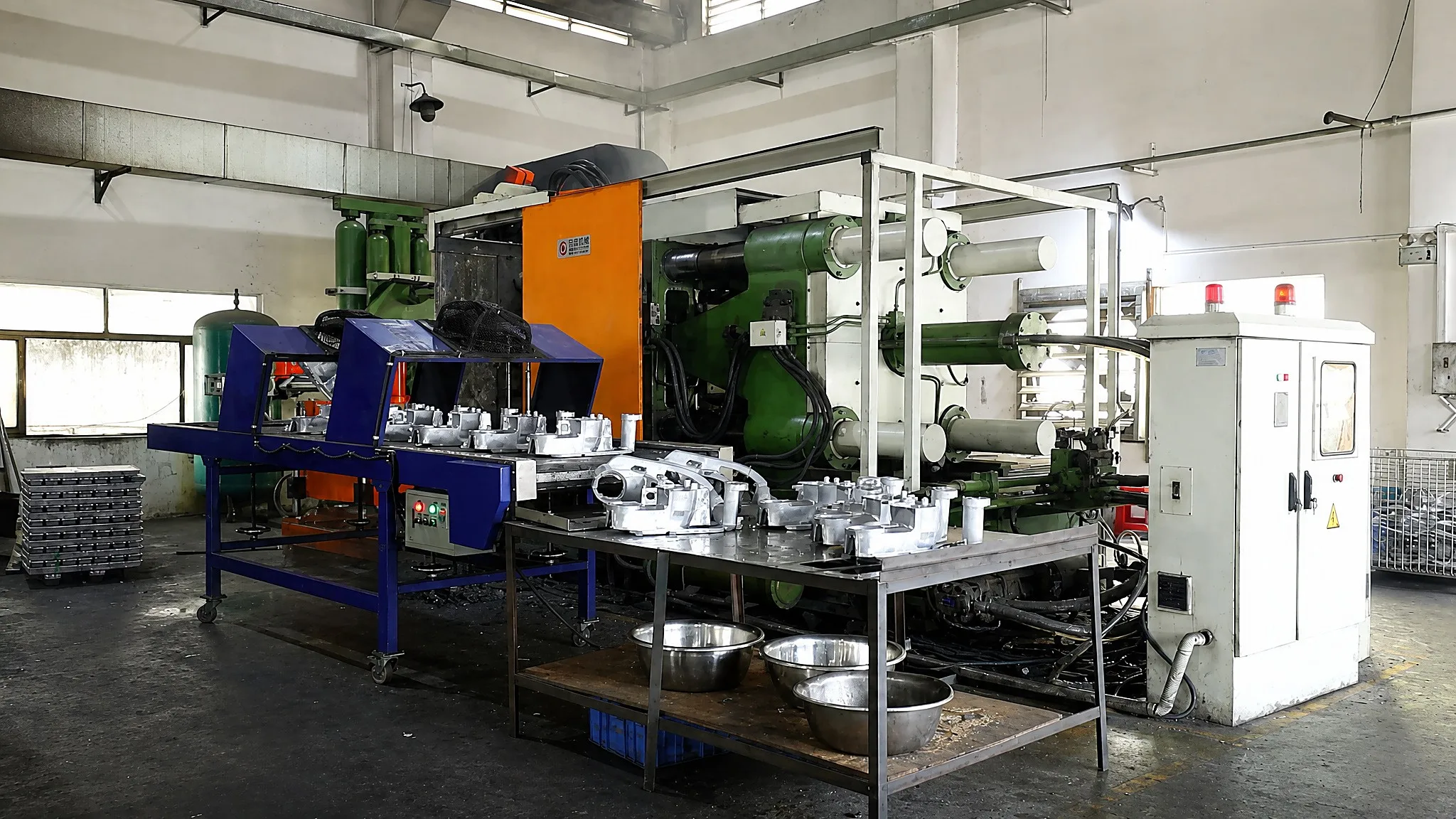
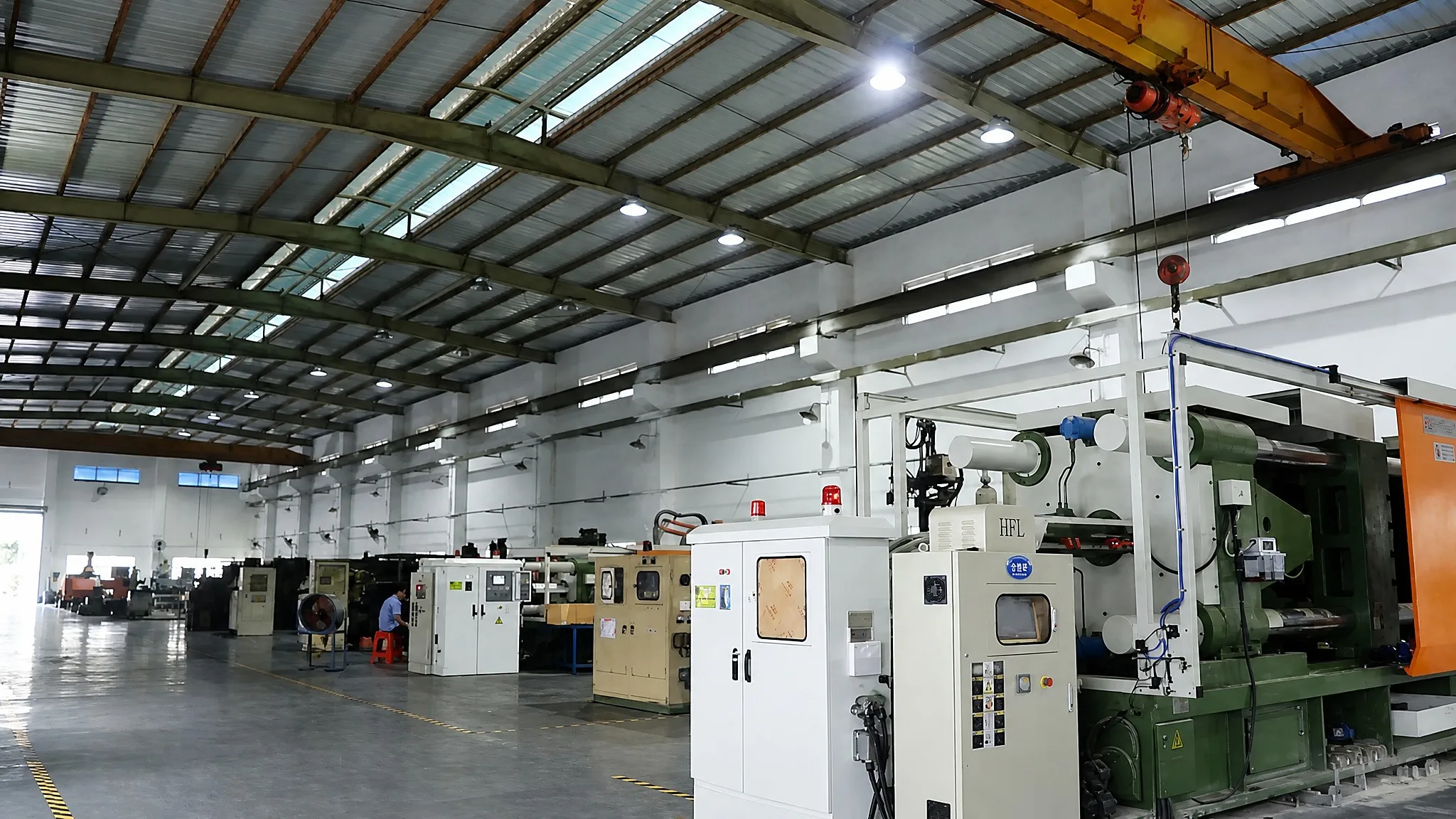
High-pressure die casting (HPDC). Liquid metal is forced into a hardened steel die at high velocity and high pressure. Thin walls, tight tolerance, excellent as-cast surface, very high throughput. The die is the largest single investment — and volume is what pays for it.
Squeeze and semi-solid casting. Pressure applied during solidification, or a partially solid slurry injected instead of a fully liquid melt. Chosen where porosity has to be very low.
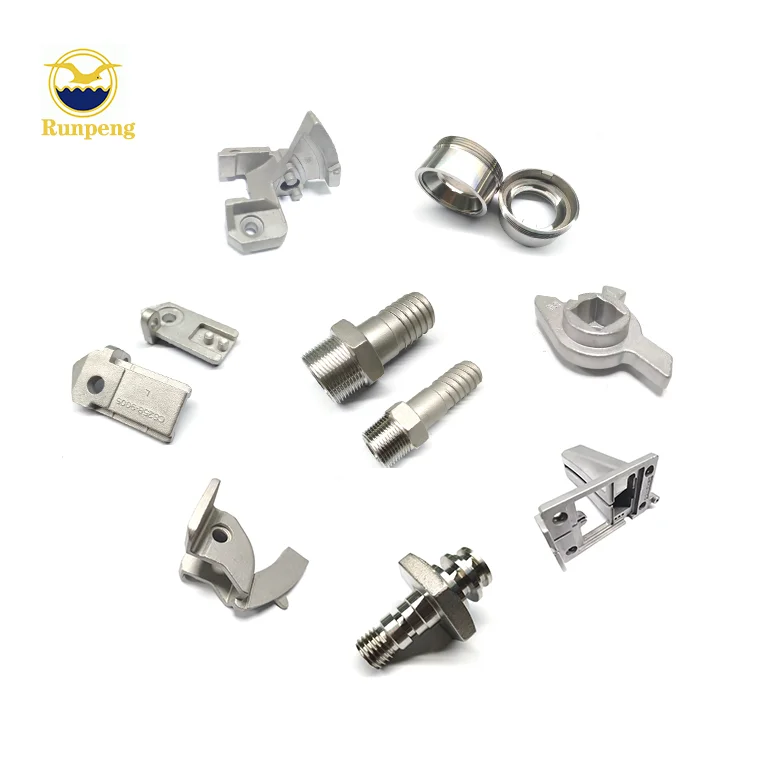
Investment casting (lost wax). A wax pattern is coated in ceramic, the wax is melted out, and metal is poured into the resulting shell. The finest detail and surface of any casting route, and often the only economical option for stainless and high-alloy parts.
Centrifugal casting. Metal poured into a spinning mold and thrown against the wall. Cylindrical and hollow parts.
Continuous casting. Metal drawn continuously through a cooled mold to produce billet and slab, which is then worked rather than shipped as a finished part.
Plaster-mold, ceramic-mold and vacuum casting sit alongside these, mainly for prototypes and small batches.
We keep four casting routes under one roof, together with in-house tooling, machining and finishing. That combination is deliberate: it means the process recommendation comes from your part, not from whichever machine happens to be free that week.
Molten ADC12 or A380 aluminium — or zinc alloy No. 3 / No. 5 — is injected into a hardened H13 die at high velocity, solidified under pressure, then ejected.
The same permanent-mold idea without the injection: metal is poured into a steel mold and fills under gravity alone.
Sand is packed around a pattern, the pattern is withdrawn, metal is poured in, and the mold is destroyed on shakeout.
A wax pattern is injected, assembled onto a tree, shelled in ceramic, dewaxed, fired, and poured.
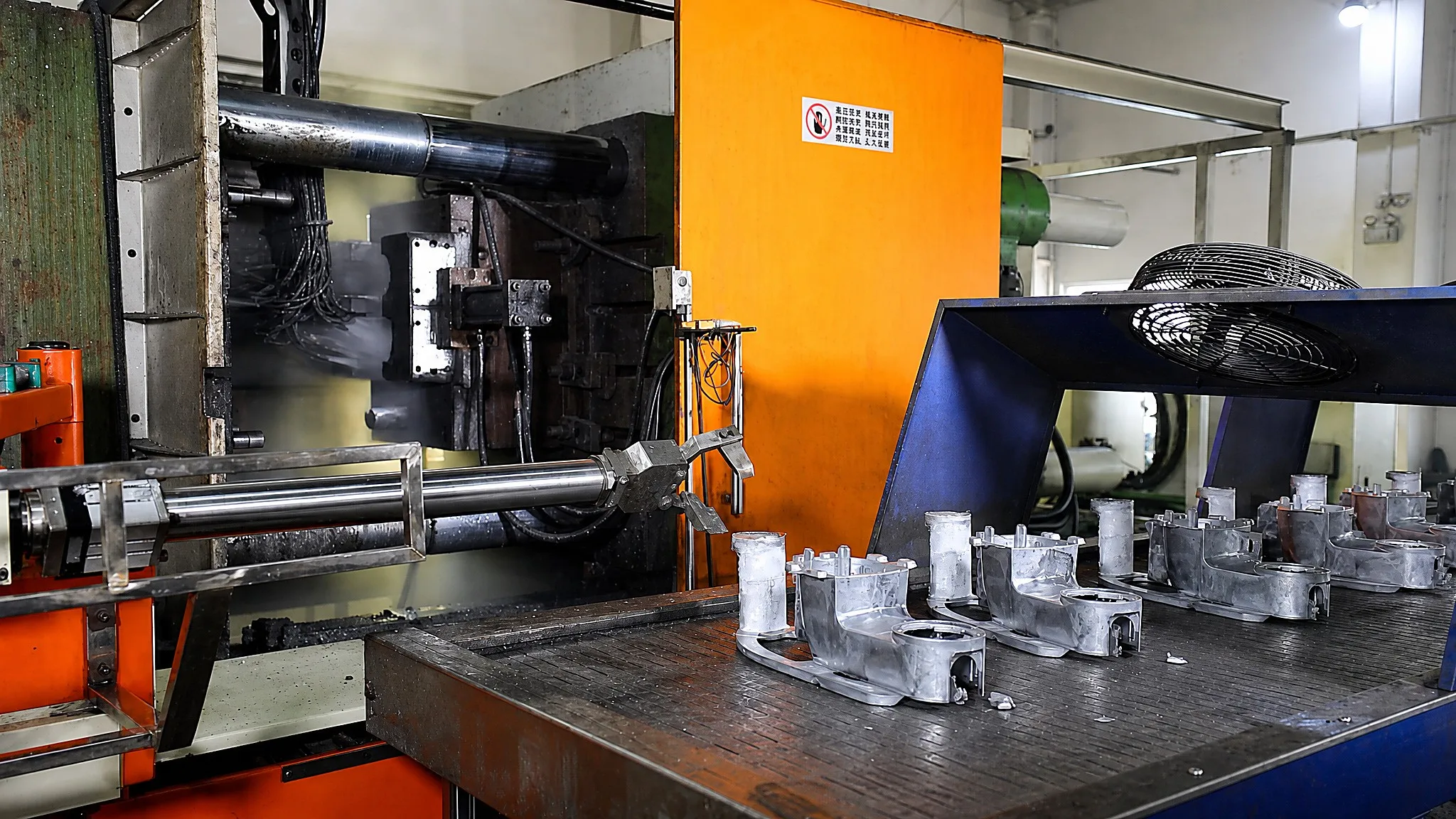
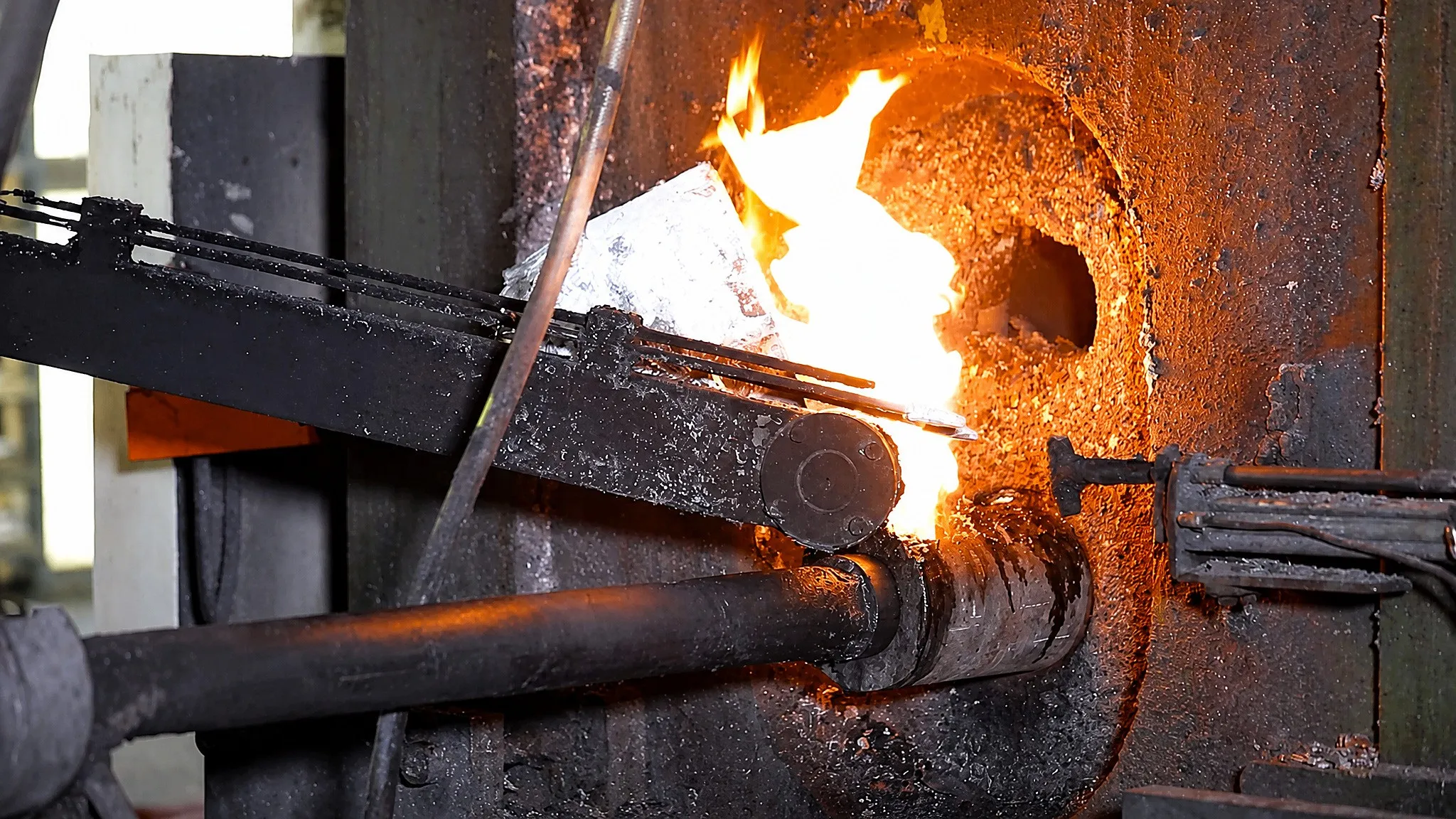
No single column decides it. Tooling, volume, wall thickness and tolerance have to agree with each other before a process makes commercial sense.
| Process | Tooling | Economic volume | Min. wall | Typical tolerance | As-cast surface | Best fit |
|---|---|---|---|---|---|---|
| Die casting | High — hardened steel die | 10,000+ pcs / yr | 0.8–1.5 mm | ±0.05–0.1 mm | Ra 1.5–3 µm | Thin-wall housings, heat sinks, high volume |
| Gravity casting | Medium — steel permanent mold | 1,000–50,000 pcs / yr | 3–4 mm | ±0.2–0.5 mm | Ra 3–6 µm | Structural, heat-treated, pressure-tight parts |
| Sand casting | Low — pattern only | 1–5,000 pcs / yr | 3–6 mm | ±0.5–1.5 mm | Ra 12–25 µm | Large parts, low volume, iron and steel |
| Investment casting | Medium–high — wax pattern tool | 500–20,000 pcs / yr | 1.5–3 mm | ±0.1–0.3 mm | Ra 1.5–3 µm | Stainless steel, fine detail, complex geometry |
Figures are typical industry ranges, not promises. Your drawing governs: final wall thickness, tolerance and draft are confirmed in a DFM review before we quote.
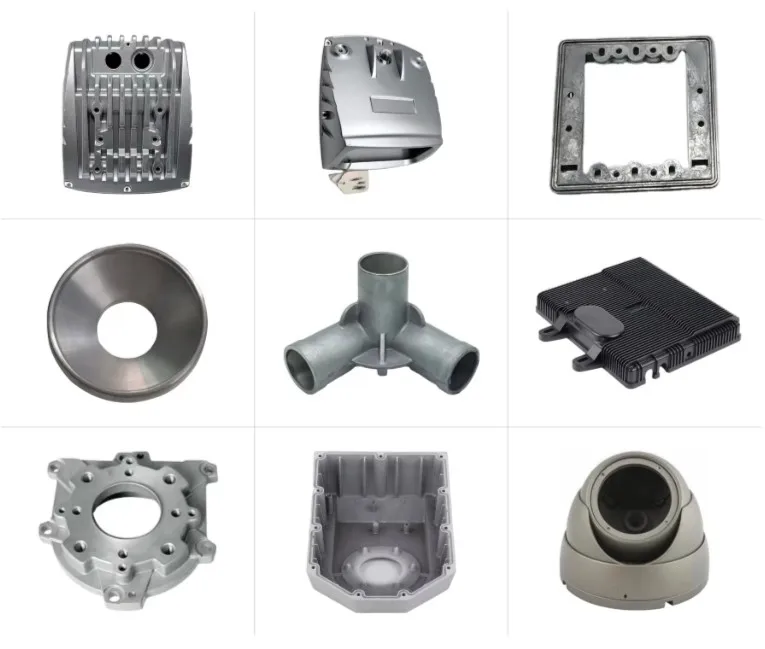
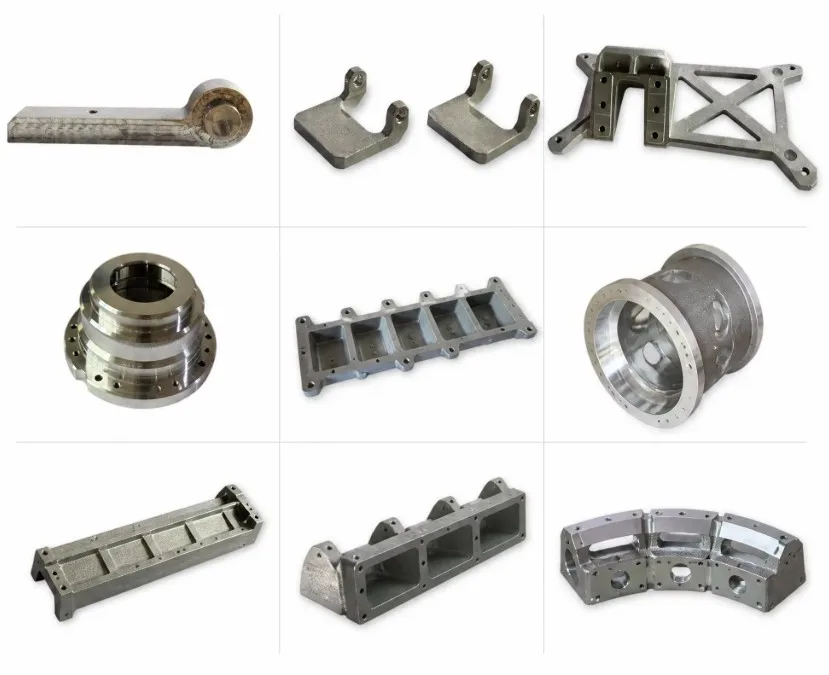
Send a 3D model or 2D drawing with your target quantity, alloy and surface finish. Our engineering team reviews manufacturability first, then comes back with the recommended process, tooling cost and unit price.
 Hot News
2026-11-18
2026-11-17
2026-11-10
2026-11-09
2026-11-04
2026-11-02
Welcome to Runpeng, a Chinese custom metal company! We provide high-quality die casting, stamping, CNC machining, injection molding and mold making services.
6th Building, No 51, Nanhuan Ave, Gongming, Shenzhen, 518106, China.
Copyright © Shenzhen Runpeng Precision Hardware Co.,Ltd. All Rights Reserved Privacy Policy Blog
 EN