 EN

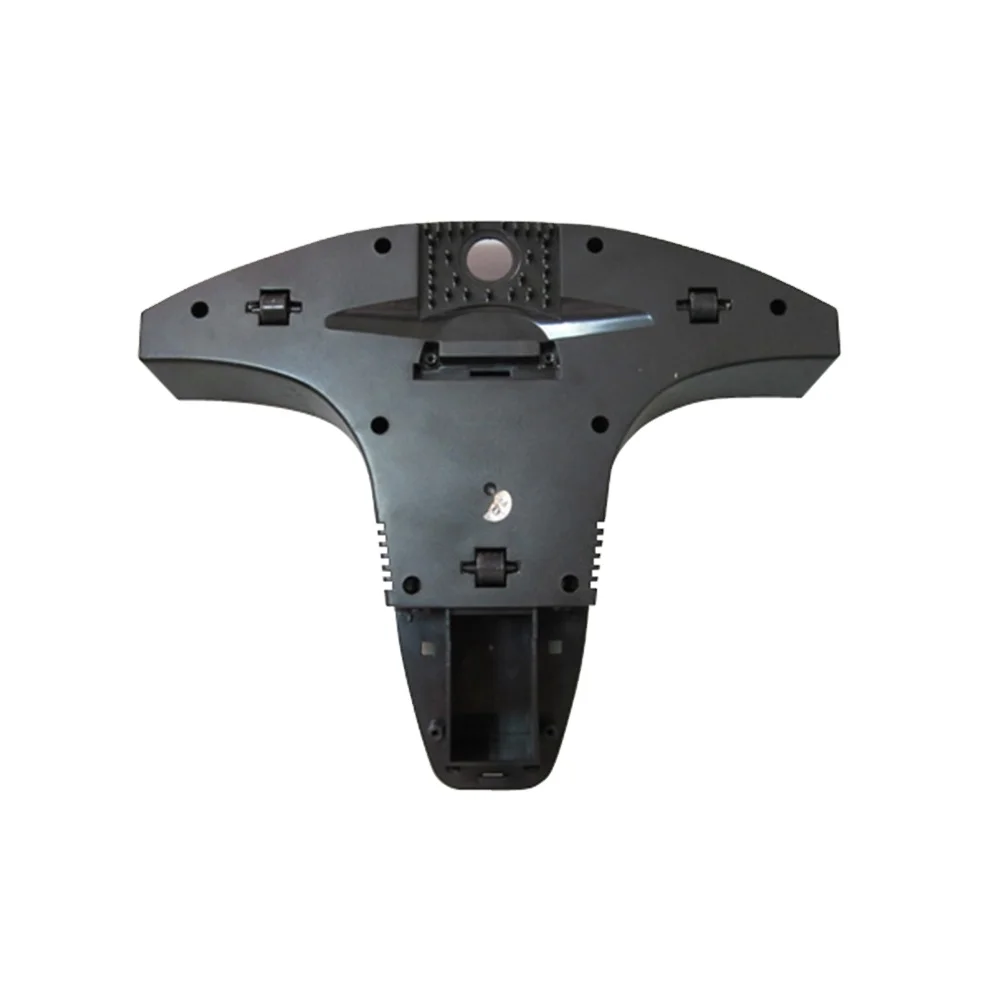
Injection molding is a popular method for making plastic parts. It involves injecting molten plastic into a mold, where it cools and hardens into the desired shape. At Runpeng Precision Hardware, we focus on creating high-quality injection-molded parts. One important aspect of this process is understanding wall thickness and draft angle. These factors can affect how well a part is made and how it performs.
Key Wall Thickness Guidelines for Injection Moulded Parts?
When designing injection-molded parts, wall thickness is crucial. It helps ensure that the part is strong and easy to produce. A good rule of thumb is to keep the wall thickness between 1.5 mm and 4 mm. Thinner walls can save material and reduce weight, but they may also lead to warping or breaking. For example, if you are creating a small plastic case, a 2 mm thickness might be ideal. On the other hand, if you are making a larger part, like a container, you might want to go for a thickness of 3 or 4 mm.
Wall Thickness and Draft Angle Pitfalls
While wall thickness is important, draft angles also play a significant role in the success of injection-molded parts. A draft angle is the slight tilt added to the walls of a part. This angle makes it easier to remove the part from the mold after it has cooled. Without a proper draft angle, the part might stick in the mold. This can lead to damage and increase production costs.
Wholesale Buyers Need to Know About Injection Moulding Specifications
When it comes to making parts using injection molded parts wholesale buyers need to know a few important things. First, they should understand what injection moulding is. It is a process where melted plastic is poured into a mould to create different shapes. This is a common way to make many products, from toys to car parts. Runpeng Precision Hardware is a company that uses this method to make high-quality parts. One important specification is wall thickness. This is how thick the walls of the part are. If the walls are too thick, it can take longer for the plastic to cool down, which can slow down production.
Essential Design Tips
Designing parts for injection molded plastic parts can be tricky, but there are some essential tips that can help. First, it is important to think about the shape of the part. Simple shapes are easier to make and cost less than complex shapes. So, if possible, try to design parts that are not too complicated. This will help speed up production and save money. At Runpeng Precision Hardware, we often work with our customers to help them create designs that are both functional and easy to produce.
How to Choose the Right Draft Angle for Efficient Production?
Choosing the right draft angle is very important in the injection molding process. The draft angle helps the part come out of the mould without getting stuck, which is key for fast and efficient production. If the angle is too small, the parts can get stuck, which can slow everything down. On the other hand, a draft angle that is too steep can make the part weak. So, finding the right balance is essential.
Finally, testing is key to finding the right draft angle. Creating a prototype can help you see how well the draft angle works in real life. This can save time and money in the long run. If the prototype comes out easily and works well, then you know you have chosen the right angle. At Runpeng Precision Hardware, we believe that testing and feedback are essential parts of the design process.