 EN

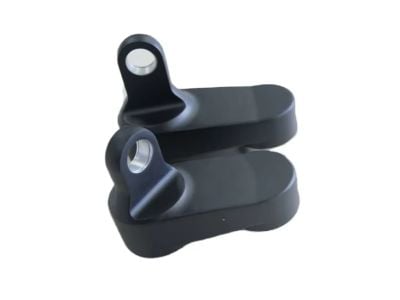
When working with plastic machining services, it’s important to keep the plastic parts from changing shape or getting rough edges. This can happen during the cutting and shaping processes, which can ruin the final product. Runpeng Precision Hardware knows how to help make sure your plastic parts come out just right. We use special techniques and tools to avoid these problems. We want to share some useful tips to help you or anyone else who needs plastic parts. Making sure your parts do not deform or have burrs will save time and money
Essential Tips for Buyers
When buying plastic parts, you should start by talking to the manufacturer. Ask them about their machines and processes. Good plastic machining services can make a big difference. For example, CNC machines can create precise cuts and shapes. Make sure to discuss the type of plastic you need. Some plastics are stronger and less likely to deform compared to others. It’s also smart to ask how they handle the edges of the parts. A good company will have methods to smooth out edges and remove any burrs. At Runpeng Precision Hardware, we pay close attention to these details. Another important tip is to check the specifications of the parts. Make sure the measurements are clear and accurate. If the measurements are off, it could lead to parts that don't fit well or look right. You should also think about the environment where the parts will be used. Some plastics can warp if they get too hot or too cold. Ask the manufacturer if they have experience with the kind of conditions your parts will face. Lastly, always ask to see samples of previous work. This will give you an idea of the quality you can expect. If you see that their parts have rough edges or strange shapes, it might be a sign to look for another supplier. Good communication and attention to detail are key when buying plastic parts
Best Practices for Wholesale Buyers
For wholesale buyers, the process can be a bit different but still needs careful planning. First, it’s essential to build a strong relationship with your supplier. You want to work with someone you can trust, like Runpeng Precision Hardware. Having a good relationship helps ensure they understand your needs and can deliver what you expect. Bulk orders are common in wholesale, so make sure to discuss the production time. If you need a large number of parts, ask about their capacity. Can they handle big orders without sacrificing quality? Another practice is to regularly check the parts during production. Some companies will allow you to visit their facility during the machining process. This can help you catch any issues early. If you notice something wrong, you can address it before the parts are finished. It's also wise to keep an open line of communication for feedback. If you find that some parts have burrs or deformations, let the supplier know. They should be willing to work with you to fix these problems. Building a partnership means both sides can learn and improve. Finally, make sure to stay updated on new materials and technologies. The world of cnc plastic machining is always changing. At Runpeng Precision Hardware, we keep up with the latest trends to provide the best products. By staying informed, you can help your business grow with high-quality parts that meet your needs
Preventing Deformation and Burrs
When we make parts from plastic, we want them to be just right. Deformation means that the plastic changes shape or gets bent. Burrs are tiny, sharp edges left on the plastic after it is cut. Both of these problems can make the parts less useful. To stop deformation, we must control the temperature and pressure when machining the plastic. If the temperature is too high or too low, the plastic can warp or bend. It is important to keep the right temperature during the whole process. Using the right tools is also essential. The cutting tools should be sharp and made for plastic. If the tools are dull, they can create more heat and cause deformation. To prevent burrs, we need to pay attention to how we cut the plastic. Using a slow and steady speed can help. If we cut too fast, it can create more burrs. After cutting, we can smooth the edges with sandpaper or a special tool. This will remove the burrs and make the part safer to use. At Runpeng Precision Hardware, we focus on these details to make sure our plastic parts are perfect. We also check each part carefully after it is made. This way, we can find any problems and fix them before they are sent out. By following these steps, we can make sure our plastic parts are strong, safe, and just the right shape
Where to Source High-Quality Plastic Machined Parts with No Deformation
Finding high-quality plastic parts is important for anyone who needs them. When looking for these parts, it is best to choose a company that has a good reputation. Runpeng Precision Hardware is known for making great plastic parts that do not deform. One way to ensure you get high-quality parts is to ask about the materials used. Good companies use strong, high-quality plastics that can handle being cut and shaped without changing too much. Another important factor is the machinery used in the process. Advanced machines that are well-maintained can make a big difference. They can cut the plastic precisely, which helps prevent deformation and burrs. Also, it’s good to ask about the company’s quality control process. A company that checks its parts carefully is more likely to deliver pieces that meet high standards. At Runpeng Precision Hardware, we have strict checks in place to make sure every part is perfect before it leaves our facility. You can also look for reviews or ask other people about their experiences with different companies. If people are happy with the parts they received, that’s a good sign. Another tip is to ask for samples before placing a large order. This way, you can see the quality for yourself. Finding the right source for plastic machined parts takes time, but it is worth it to ensure you get parts that are strong and well-made
How to Optimize Your Plastic Machining Process for Superior Quality and Reduced Defects
To make the best plastic parts, we must optimize the machining process. This means finding the best way to cut and shape the plastic so that the parts are high quality and have fewer defects. First, we should choose the right type of plastic for the job. Some plastics are easier to machine than others and can handle the process better. At Runpeng Precision Hardware, we carefully select materials for each project to ensure they fit the needs. Next, it’s important to set the right speeds and feeds for the machines. This means deciding how fast the machine cuts and how much material it removes each time. If the speeds are too fast, it can lead to burrs and deformation. If they are too slow, it can waste time and increase costs. Finding the right balance is key to making great parts. Training the workers who operate the machines is also vital. Well-trained workers know how to handle the machines properly, which reduces mistakes. They can also spot problems early and fix them before they become bigger issues. We also recommend regular maintenance for the machines. Keeping the machines in good shape helps them run smoothly and makes better parts. Finally, keeping track of every step of the process helps us learn and improve. By collecting data on what works and what doesn’t, we can make better decisions in the future. At Runpeng Precision Hardware, we believe that every little detail matters. By optimizing our plastic machining process, we can create superior quality parts while reducing defects, making sure our customers are always satisfied.