 EN

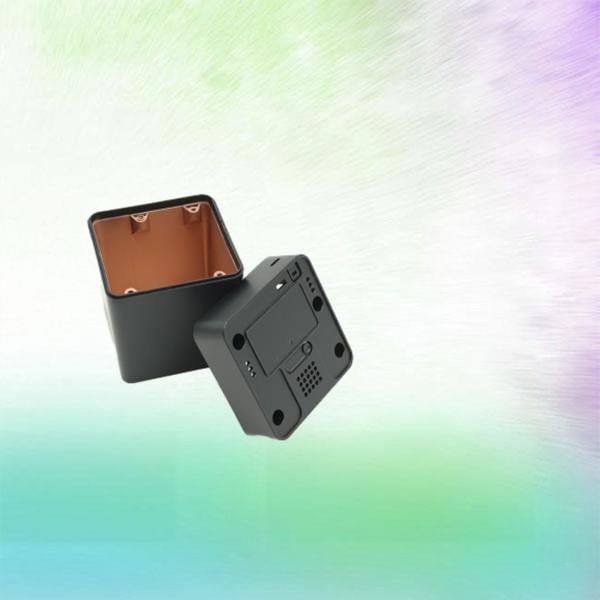
Plastic machining is an important process that helps create parts and products from plastic materials. At Runpeng Precision Hardware, we specialize in this field, offering top-notch plastic machining services. Plastic machining involves cutting, shaping, and finishing plastic materials to make them fit specific needs. These materials can be used in everything from toys to industrial tools. Understanding how plastic machining works can help people see its benefits and challenges. This guide will break down the issues that can come up during plastic machining, how to tackle them, and how plastic machining stacks up against traditional machining methods.
Common Plastic Machining Problems and How to Solve Them
In plastic machining, common issues can arise, such as melting, warping, and tool wear. Melting happens when the cutting tool creates too much heat, causing the plastic to soften or even melt. This is a big problem because it can ruin the part being made. To overcome this, it is important to choose the right speed and feed rate. Slower speeds can help reduce heat buildup. Warping can occur when the plastic cools unevenly after being cut. This can be fixed by controlling the temperature during machining and cooling down the parts evenly. Tool wear is also a concern. Plastic can be tough on cutting tools. Using high-quality tools and replacing them regularly can help maintain good performance. At Runpeng Precision Hardware, we pay attention to these issues and use special techniques to ensure that our plastic parts meet high standards. Our experienced team knows how to tackle these challenges, allowing us to create durable and precise products.
Plastic Machining vs. Traditional Machining: Key Differences
Now, when we compare plastic machining to traditional machining techniques, there are clear differences. Traditional machining typically involves metals, which are harder and require different tools and techniques. CNC plastic machining is often easier and faster. This is because plastics can be cut with less force, which makes the process quicker. Additionally, plastic parts are usually lighter than metal ones, making them easier to handle and transport. However, plastics can be more sensitive to heat and pressure, so they need careful handling. In traditional machining, the focus is often on achieving a smooth finish on metals. With plastic machining, the finish can vary depending on the type of plastic used. Some plastics can be polished to a high shine, while others may have a matte finish. At Runpeng Precision Hardware, we understand these differences and adapt our methods to suit the material, ensuring that we achieve the best results for our customers. Whether it’s plastic or metal, we are dedicated to delivering high-quality machining services that meet all needs.
What Are the Most Popular Plastic Materials for Machining Projects?
When it comes to plastic machining, there are several types of plastic materials that are commonly used. These materials are chosen because they have special properties that make them great for different projects. One of the most popular plastics is Acrylic, which is clear and strong. It is often used to make signs, displays, and even parts for machines. Another common material is Polycarbonate, which is tough and can withstand a lot of impact. This makes it perfect for safety glasses and protective equipment. Nylon is also a favorite because it is flexible and has a smooth surface. It is used in many mechanical parts and gears. PVC, or polyvinyl chloride, is used for pipes and fittings because it is strong and resistant to chemicals. Lastly, PTFE, also known as Teflon, is famous for its non-stick properties. It is often used in cookware and seals. At Runpeng Precision Hardware, we understand the importance of selecting the right plastic material for your machining project. Each type of plastic has its own strengths and weaknesses, so it’s essential to choose the right one based on what you need. By knowing about these popular materials, you can make better decisions when planning your projects.
How to Maximize Efficiency in Your Plastic Machining Processes?
To make plastic machining as efficient as possible, there are several tips and tricks you can follow. First, it is important to have the right tools. Using sharp and high-quality cutting tools will help you work faster and achieve better results. Make sure the machines are set up correctly and running smoothly to avoid delays. Another way to boost efficiency is to plan your work carefully. This means organizing the materials and tools you need before you start machining. For example, create a checklist of everything you will need for the project. At Runpeng Precision Hardware, we believe that preparation is key. Additionally, training your team is very important. Everyone should know how to use the machines safely and effectively. Regular training sessions can help keep skills sharp. Another helpful tip is to minimize waste. This can be done by reusing leftover plastic and making sure you are cutting shapes that use the material wisely. Also, keep an eye on the time you spend on each task. Setting time limits can help you stay focused and work faster. Finally, consider using technology. Computer software can help you design parts more quickly and accurately. By following these tips, you can make your plastic machining processes more efficient, saving time and money while producing high-quality parts.
What Are the Key Performance Metrics for Plastic Machining Quality?
When you want to measure the quality of plastic machining services, there are some key performance metrics to keep in mind. First is Dimensional Accuracy. This means how closely the finished part matches the desired size and shape. It is important because parts that don’t fit well can cause problems in assembly or use. Another important metric is Surface Finish. This refers to how smooth or rough the surface of the part is. A good surface finish can improve the look of the part and help it work better. For example, a smoother surface can reduce friction in moving parts. Tolerances are also crucial. Tolerances tell you how much variation is allowed in the sizes of the parts. Tight tolerances mean the parts must be made very precisely, which is important for high-quality products. At Runpeng Precision Hardware, we pay close attention to these metrics to ensure our clients receive the best possible products. Another metric to consider is Material Integrity. This means the plastic should not have any cracks or defects after machining. Finally, you should think about Production Efficiency. This measures how quickly and effectively parts are made. A high production efficiency means you can make more parts in less time. By monitoring these key performance metrics, you can ensure that your plastic machining projects are of high quality and meet your standards.
Table of Contents
- Common Plastic Machining Problems and How to Solve Them
- Plastic Machining vs. Traditional Machining: Key Differences
- What Are the Most Popular Plastic Materials for Machining Projects?
- How to Maximize Efficiency in Your Plastic Machining Processes?
- What Are the Key Performance Metrics for Plastic Machining Quality?