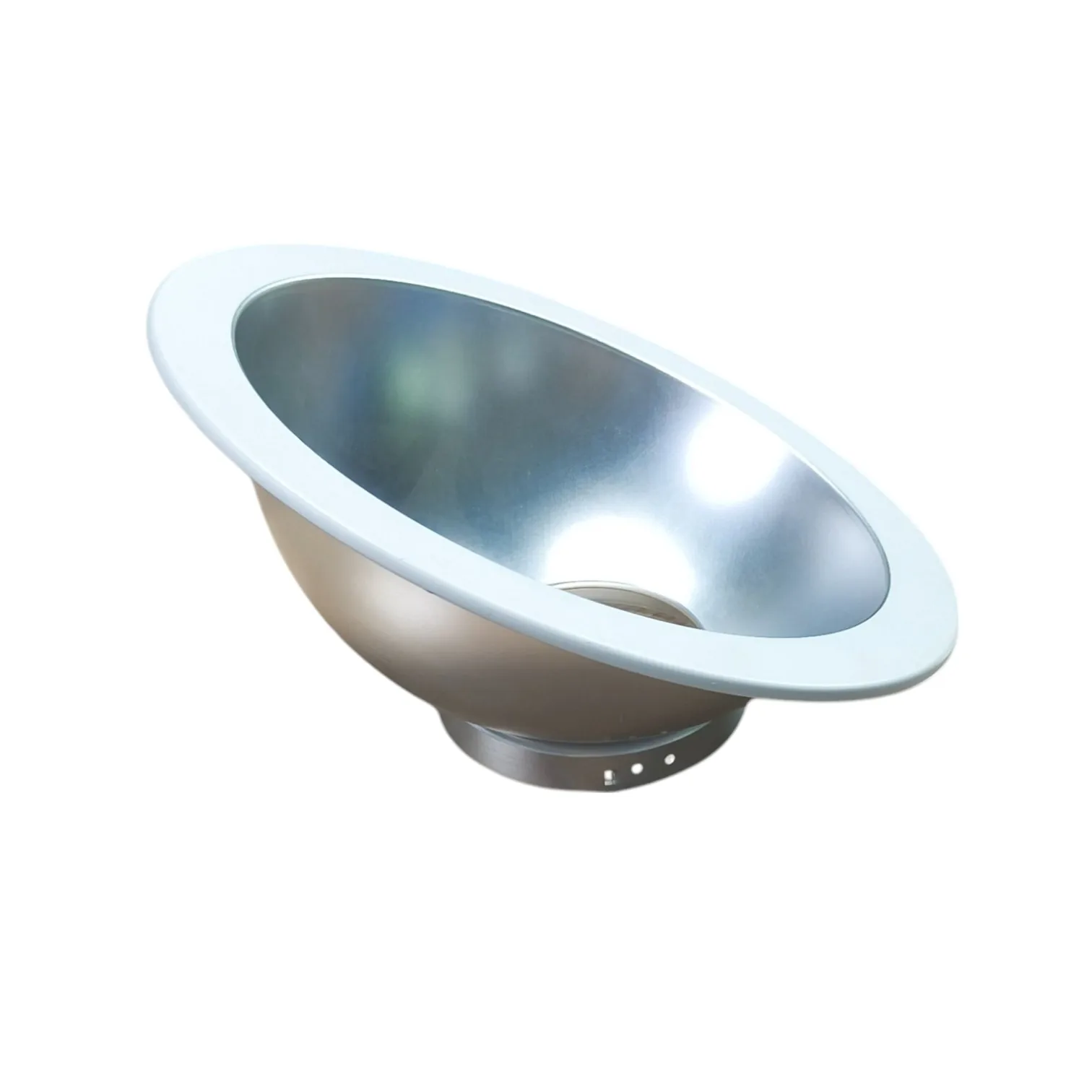
Last week our team visited VIBIA to walk through the components we manufacture for their lighting fixtures — and to see how those parts perform once they are assembled, finished and lit.
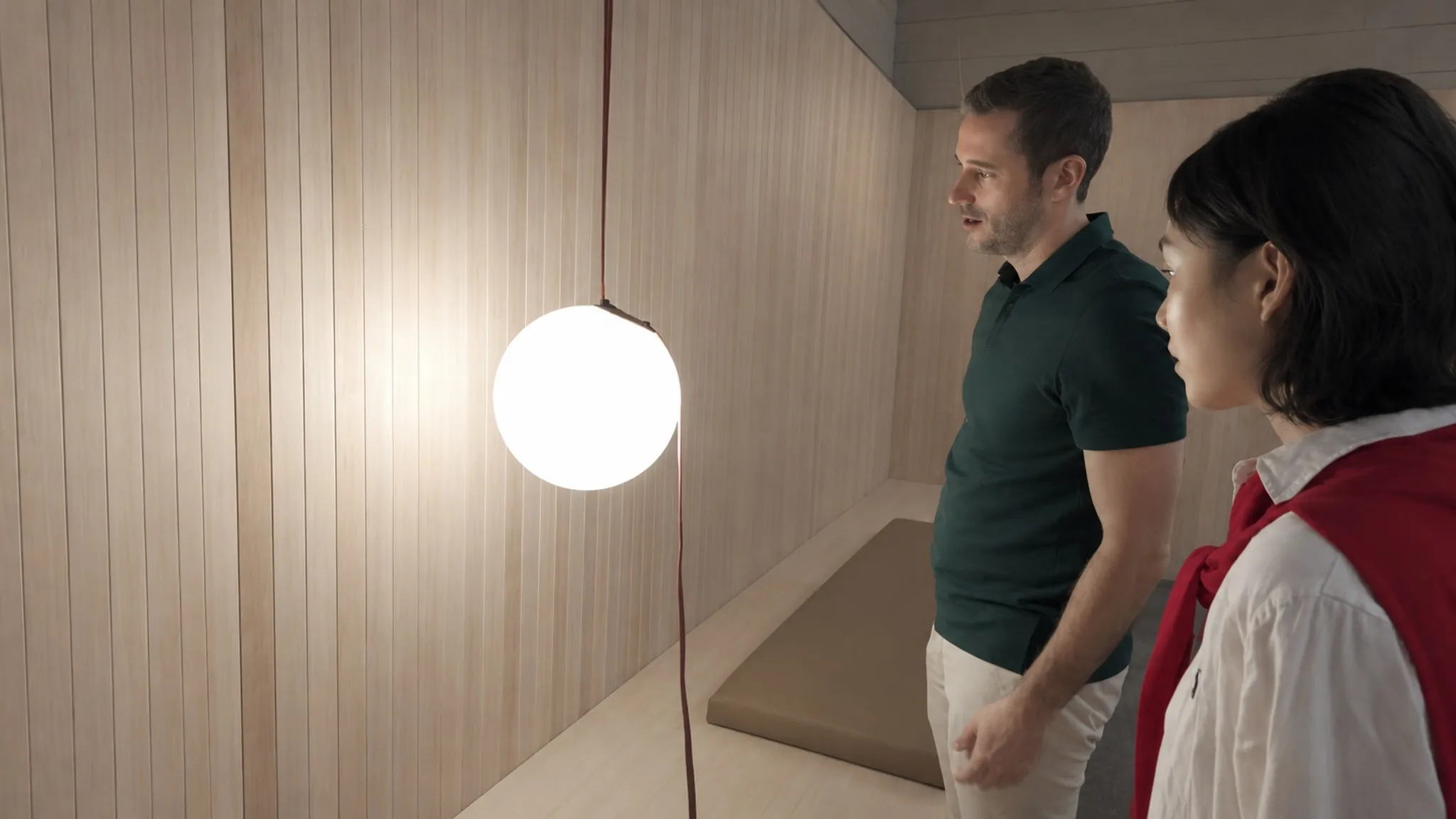
Inside VIBIA's display area — reviewing a pendant fixture in the collection.
A good supplier does not stop at the loading dock. Our job is to understand what happens to a die-cast or stamped part after it leaves our floor — how it fits, how it wears, how it looks under light.
VIBIA is a Barcelona-based global lighting brand with a strongly architectural approach to light. For us, the visit was a chance to connect the drawings we work from with the finished luminaires they become.
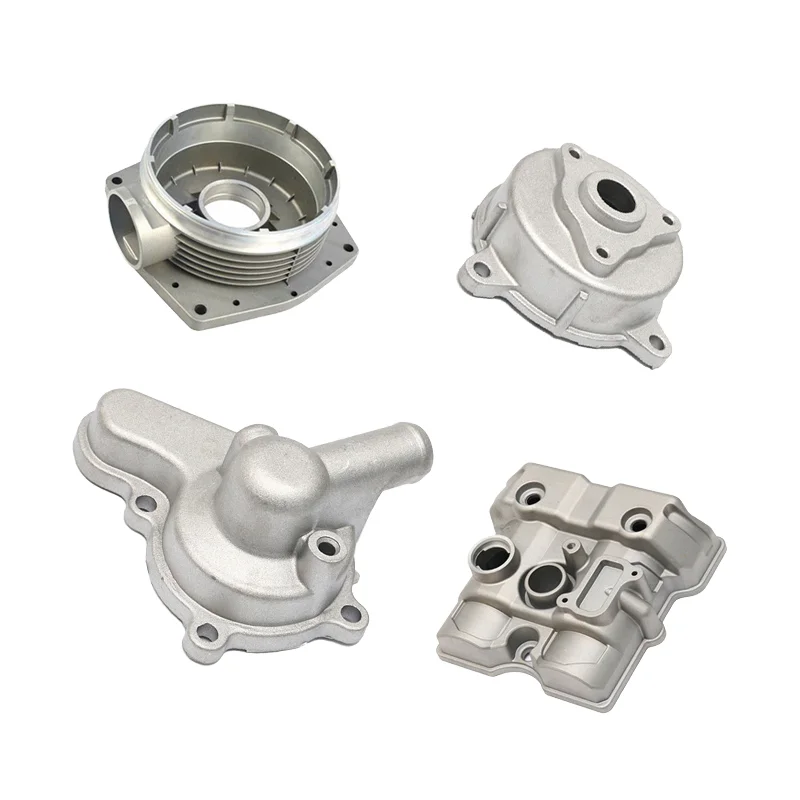
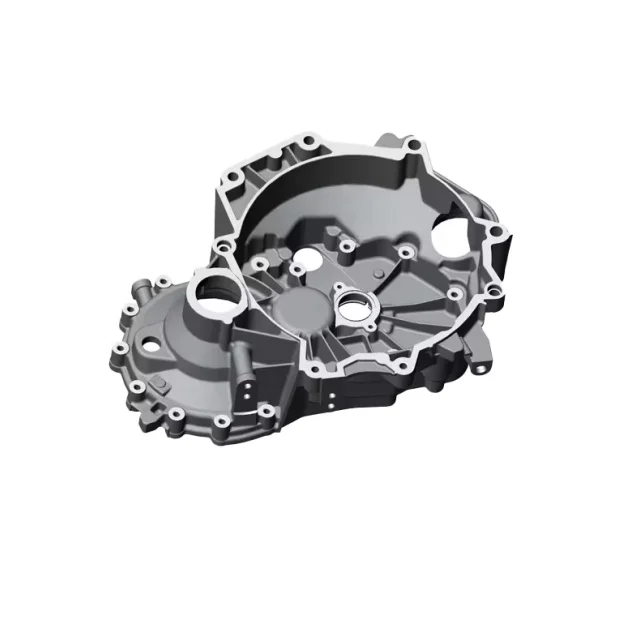
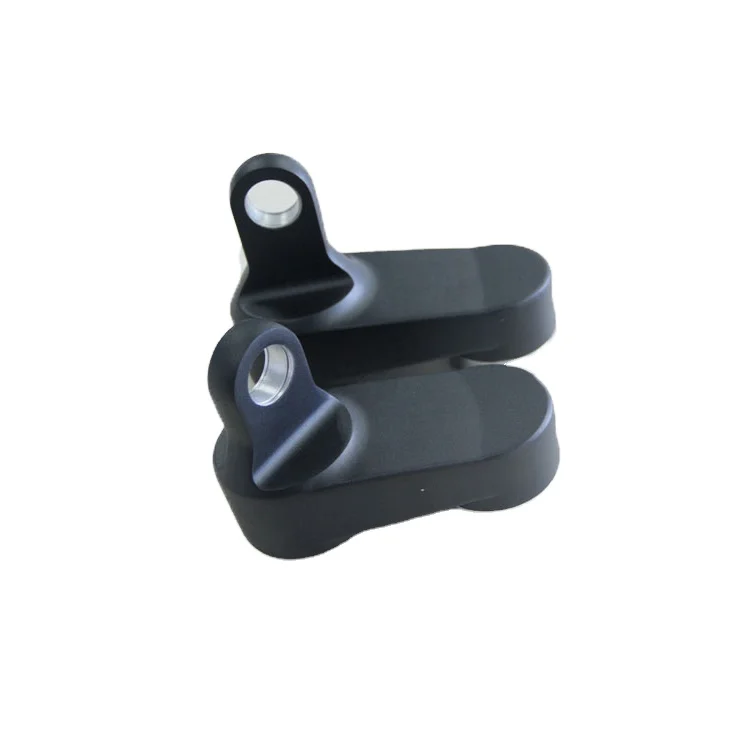
The tour moved through the display area, fixture family by fixture family. VIBIA's team walked us through each product and pointed out which components come from our factory — two families in particular: die-cast parts and stamped parts.
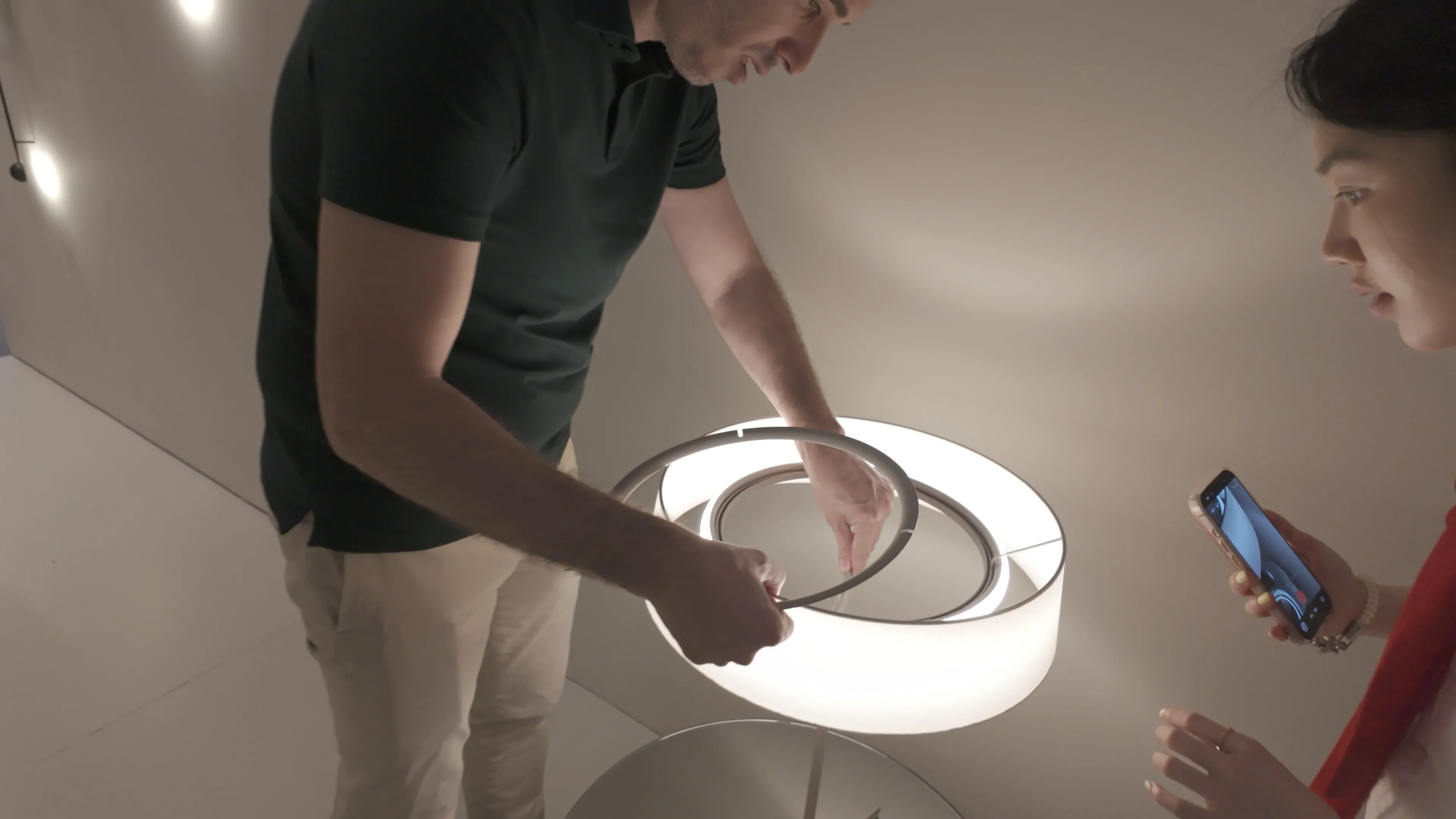
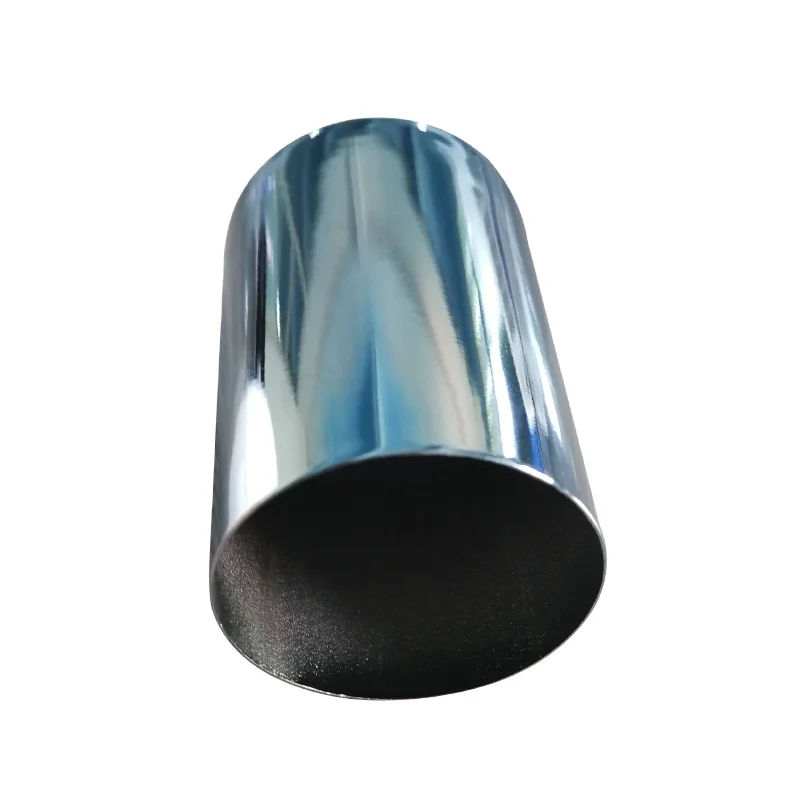
A closer look at a precision ring component — the kind of thin-section part we produce by die casting or stamping.
Stamping is where volume and cost efficiency come from. Die casting is where complex geometry and thermal performance come from. Most lighting fixtures need both — which is exactly why they sit under one roof here.
Lighting is unforgiving. A hairline flow mark or a tooling witness line that would be invisible on a machine part is the first thing a buyer sees once the fixture is illuminated. Standing in the showroom changed the brief in a useful way:
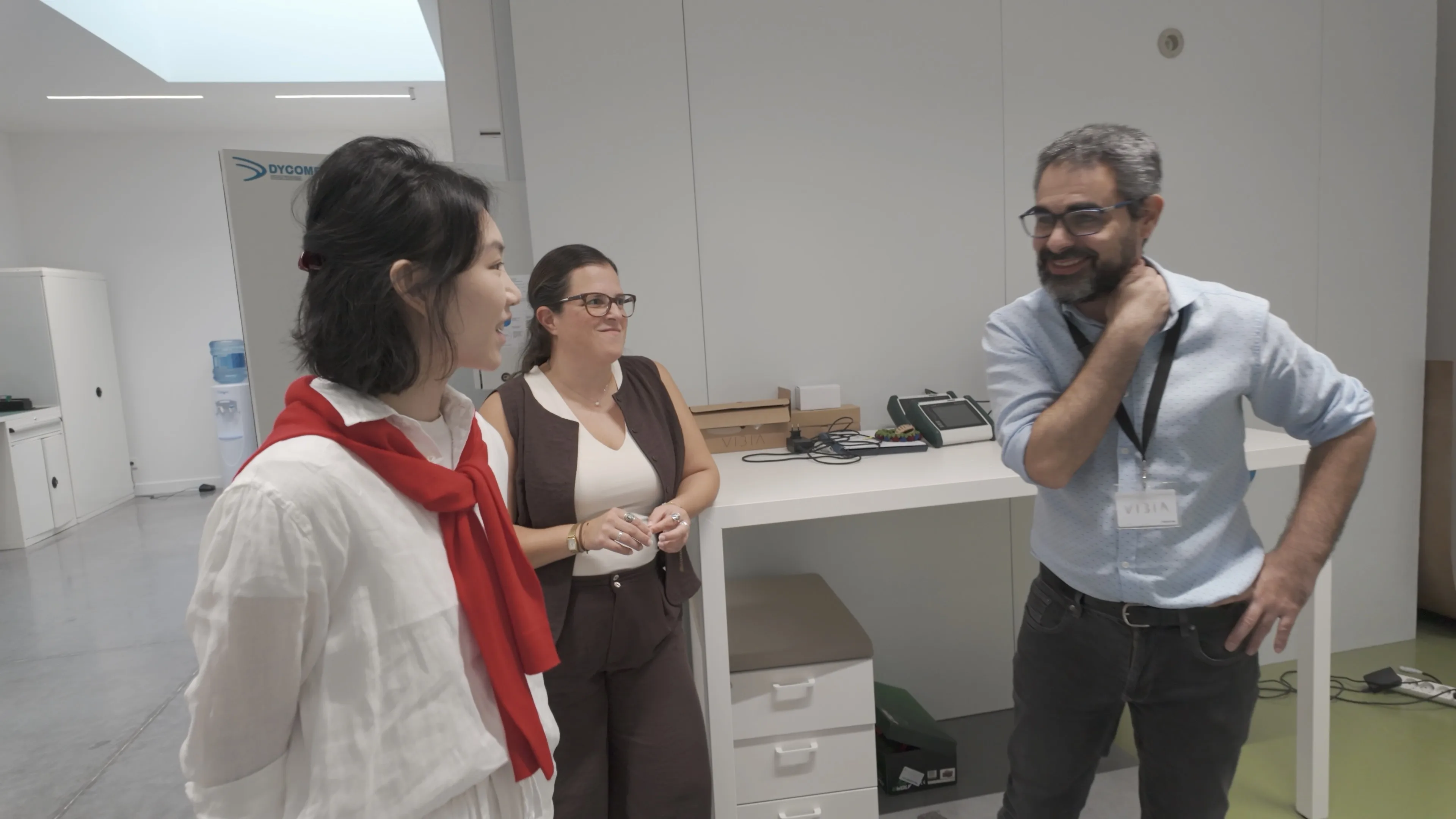
Reviewing components and next steps with the VIBIA team.
Send us your 2D or 3D drawings. We will come back with a manufacturability review and a quotation — and if you are ever in Shenzhen, the showroom tour works both ways.
Email [your email] or message us on WhatsApp: [your WhatsApp].
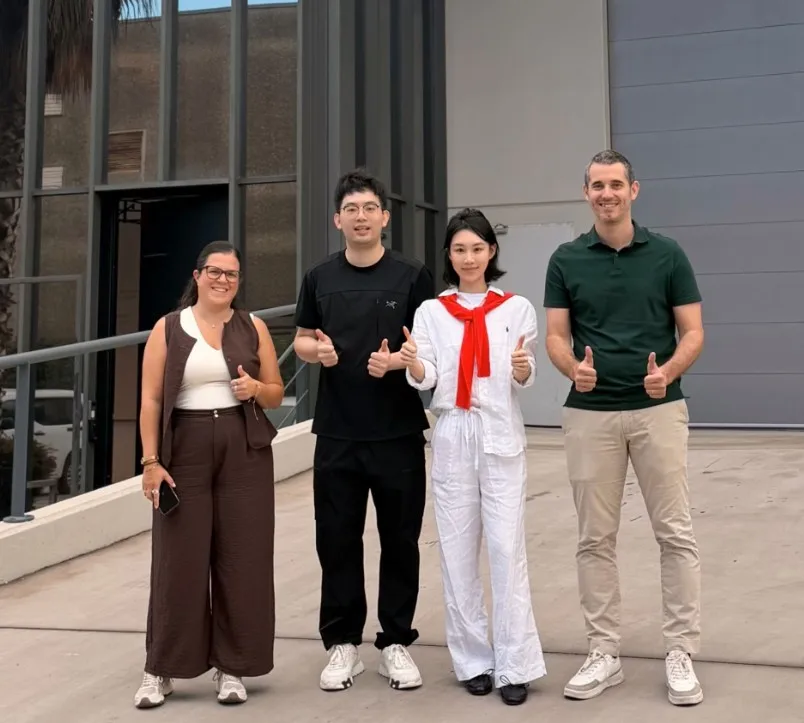
The teams after the visit.
 Hot News
2026-10-21
2026-10-19
2026-10-15
2026-10-14
2026-10-09
2026-10-07
Welcome to Runpeng, a Chinese custom metal company! We provide high-quality die casting, stamping, CNC machining, injection molding and mold making services.
6th Building, No 51, Nanhuan Ave, Gongming, Shenzhen, 518106, China.
Copyright © Shenzhen Runpeng Precision Hardware Co.,Ltd. All Rights Reserved Privacy Policy Blog
 EN