Five-Axis CNC Machining: One Setup, Five Faces, No Tolerance Drift
Nov 23, 2026
Five-Axis CNC Machining: Complex Parts, One Setup
The clip below was filmed on our own production floor — a five-axis CNC machining center holding an aluminum part in a single fixture while the spindle tilts into an angled cut, with flood coolant clearing chips in real time. Nothing is re-clamped, re-indicated or moved to a second machine.
For buyers, that one detail decides cost, tolerance and lead time on every complex part. Here is what is actually happening in the cut, and what it means for your next project.
Five-axis machining in production: one clamping, five faces, coolant-flooded cutting.
What the video actually shows
One clamping, five faces. The workpiece never leaves its datum from the first cut to the last, so there is no re-fixturing error to chase later.
The spindle does the reaching. A tilting head plus a rotary table let the tool approach angled walls, cross-holes and curved profiles that a three-axis machine cannot reach without a second operation.
Coolant under pressure is not decoration. Full flood keeps heat in the chip instead of the part — the difference between a stable thin wall and one that warps after machining.
Clean chip evacuation. No recutting and no built-up edge, so the surface leaves the machine ready for anodizing, blasting or direct assembly.
Why five-axis beats stacking setups
Every extra setup adds error. A housing with ports on four sides means four datum registrations on a three-axis machine — four chances for the part to drift. Five-axis collapses that into one operation:
The tolerance stack accumulates once, not four times. True position on cross-features is held by the machine, not by how carefully the operator re-indicates.
Fixtures drop out of the quote. No dedicated fixture per face means lower NRE, a faster first article and cheaper engineering changes later.
Geometry stops being the constraint. Curved brackets, ported enclosures, angled connectors and impeller-style profiles become routine work instead of a feasibility question.
Lead time compresses. Queue time between operations is usually longer than the cutting itself — remove the operations and you remove the waiting.
What we machine this way
Our five-axis capacity sits inside a full precision hardware shop, so a part can move from machining to finishing without leaving the building:
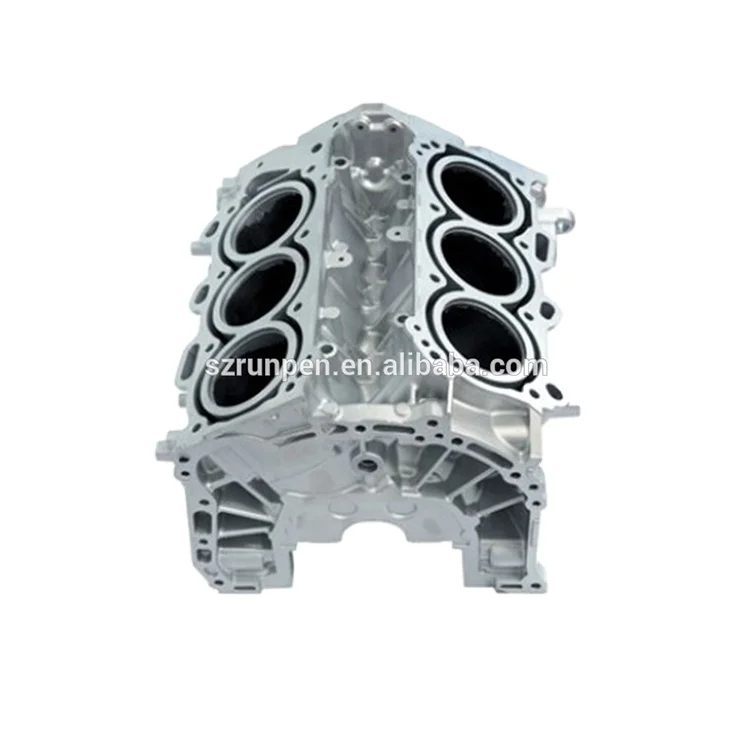
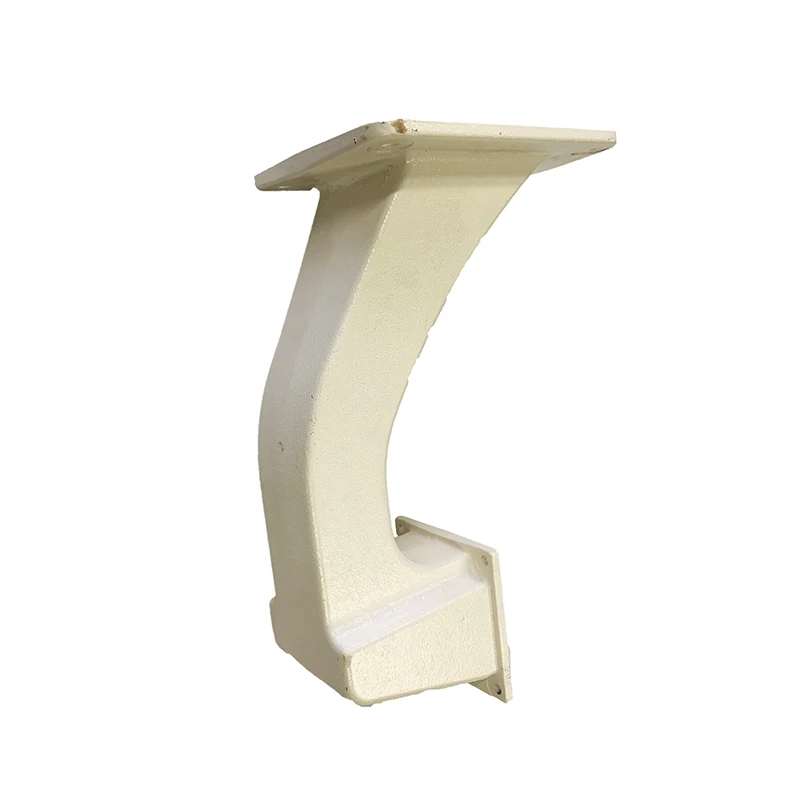
Typical parts: security camera housings, heat-sink enclosures, automation and robotics components, mounting brackets, manifolds and instrument panels.
Finishing: anodizing, bead blasting and powder coating.
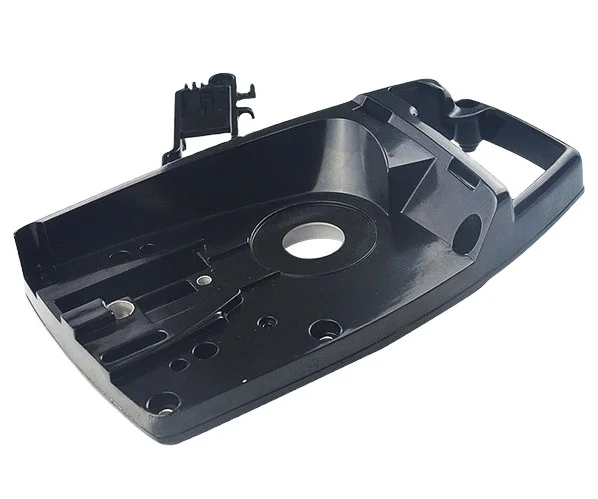
Related processes under the same roof: aluminum die casting, precision injection molding and sheet metal stamping — useful when one assembly mixes a machined body with a cast or formed cover.
From drawing to first article
Drawing review and DFM feedback. We come back with questions on tolerance callouts, wall thickness and fixturing before the quote — not after the part fails inspection.
Quote. One piece minimum. No volume commitment needed to start.
Sampling. 15–30 days depending on geometry and finishing.
First article and inspection record. Reviewed with you before mass production is released.
Mass production. Schedule and unit price confirmed on the final quotation.
At a glance: 30+ years of OEM manufacturing, IATF 16949 and ISO 14001 certified, RoHS compliant. Send 2D and 3D files in STEP, STP, IGES, PDF, DXF or DWG.
Send the drawing, get a manufacturability read first
Before we talk price, we tell you what will be difficult on your part — where the tolerance is unrealistic, where a wall is too thin for the finish you specified, where five-axis saves you a fixture. That conversation is free and it usually changes the design for the better.
To get an accurate quote in one pass, include:
Material and surface finish
Critical tolerances and inspection requirements
Annual or per-order quantity
Target delivery date and destination country
Send the file whichever way is fastest for you — a real engineer reads it, not a sales inbox.

 Hot News
 EN