 EN
EN

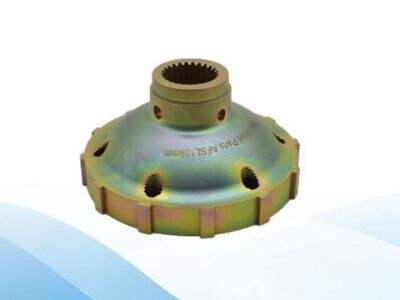
High precision CNC machining of stainless steel parts is a difficult process, and can often result in the following common issues: Tool sticking, or clumps of chips stuck to the tool face. Excessive surface roughness: These factors can affect the accuracy and speed of the machining, but there are solutions to these aches to guarantee a good fix and finish. We here at Runpeng Precision Hardware know there are difficulties in CNC-machining, and we assure you with our stainless steel metal stamping which could enable the best result on your stainless-steel parts.
The Benefits of Precision CNC Machining for Stainless Steel Parts
Why Precision CNC Machining For Stainless Steel Parts? High-precision, high-level—This technology allows for highly detailed designs and accuracy as well as incredible precision in design. Computer operated CNC machines can then follow such design guidelines to cut, drill and shape stainless steel parts with a very slim margin for error. This level of detail guarantees each part is made precisely to the specifications it demands and results in consistency and quality of the finished product.
Other than accuracy, the wide application of stainless steel parts can be achieved in CNC machining. Regardless of the size and shape, or type, simple to complex machined parts CNC machines can be programmed to manufacture these. This versatility enables adjustments and modifications corresponding to project demands, which is why CNC machined stainless steel parts are a fast, robust and affordable option.
Additionally, CNC milling and machining is largely an automated process, minimizing the requirement for workers to do hands-on labor or oversee parts. This level of automation accelerates production and enhances the consistency and repeatability for all machined stainless steel components. Human error and intervention are reduced by employing CNC machines, that restricts the inconsistency and guarantees each produced part, matches the intended quality requirement for its performance assessment.
Need a smooth finish Get it with Adams Campbell and the LS100XP.
The smooth surface finish of stainless steel components is very important to improve its look and functionality. Another common problem found with a poor surface quality is "excessive surface roughness", caused by incorrect cutting speeds, feeds or tool choice. In order to address this issue, machining parameters including cutting velocity, feed rate and depth of cut must be optimized to acquire desired surface finish.
Besides optimizing the machining parameters, selecting the proper cutting tool and taking appropriate cutting strategy will assist in obtaining better surface finish of stainless steel workpieces. For instance selecting tools with suitable coatings, geometries and materials would be able to reduce friction and heat generation while cutting which in turn will lead to smoother surfaces. Furthermore, the surface quality of stainless steel parts can be further improved by utilizing methods such as multi-pass cutting and finishing to eliminate any imperfections or inconsistencies for a smooth surface finish.
Additionally, some post-processing processes like burr removal, micro-finishing and coating can be conducted for the improvement of surface finish in stainless steel parts after machining. Such treatments can make the edges smooth, remove burrs and strengthen the protective coatings for better-looking functional parts. Through the use of correct machining and post-processing processes, you can expect to get a great surface finish on your stainless steel parts — one that conforms to even the most rigorous quality and performance standards. Runpeng Precision Hardware committed to offering precision CNC machining for stainless steel gate hinges with high surface finish and excellent resistance that have been widely used in different industry.
Boosting Efficiency in CNC Production for Wholesale Buyers
When it comes to precision CNC machining of stainless steel parts, this is a perfect feature for wholesale buyers who need to stay on schedule and ensure high-quality parts. One commonly occurring problem that can hinder the machining process is adhesive, which is the tendency for a cutting tool to stick in the work-piece material. This may result in broken tools, more downtime and lower productivity. Wholesale purchasers should take measures including using high quality cutting tools, optimizing the cutting parameters as well as paying more attention to the lubrication and cooling when it comes to improving CNC machined efficiency. Wholesale buyers, with a tool sticking problem, can therefore become more efficient as a whole thereafter and reach their production targets quicker.
Where to Get Stainless Steel Machining Services of the Highest Quality?
Quality Machining Services For Wholesale Buyers In Search of Premium-Quality Stainless Steel Parts A machinist’s work is never done, especially in the world of wholesale. Runpeng Precision Hardware can provide a variety of machining services for stainless steel parts, including CNC milling, CNC turning (has a rotary axis), Die sinking and gear hobbing. With advanced equipments and experienced skilled machinists, Runpeng Precision Hardware can provide high quality precision machining services for you. Runpeng Precision Hardware has your wholesale stainless steel investment castings needs covered, with top-notch service and outstanding results at the right price.
Tips to Avoid Tool Sticking in Precision Machining
There are several ways to avoid the tool sticking when the precision CNC machining manufacturer processes stainless steel parts: Wholesale buyers could take some measures to ensure that the production of stainless steel CNC machined parts is smooth and efficient. Most of all, good way is to choose a reputable tool for machining such materials, that designed and manufactured specifically for cutting stainless steel. Wholesale buyers also benefit from being able to adjust cutting parameters including cutting speed, feed rate and depth of cut in order to minimize the chance of tool stick. Good lubrication and cooling are also important to avoid sticking of tool ensuring less friction, lesser heat generation during machining. Wholesale buyers can avoid the risk of tool sticking and can also prevent wasting too much machine time, contributing to smoother and faster machining cycles.
Table of Contents
- The Benefits of Precision CNC Machining for Stainless Steel Parts
- Need a smooth finish Get it with Adams Campbell and the LS100XP.
- Boosting Efficiency in CNC Production for Wholesale Buyers
- Where to Get Stainless Steel Machining Services of the Highest Quality?
- Tips to Avoid Tool Sticking in Precision Machining