 EN
EN

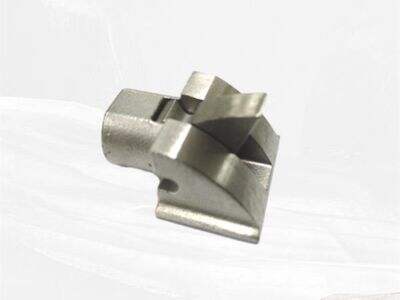
Stainless steel are a special kind of metal that get popular in lots of industries. It known for resisting rust and other corrosion. This make it good for products that need to last long, especially in hard places. Runpeng Precision Hardware make high-quality stainless steel castings. These investment and precision casting use in many things, from kitchen stuff to medical tools. Knowing how stainless steel resist corrosion help people pick right materials for what they need.
What Are Key Benefits of Stainless Steel for Resisting Corrosion?
Stainless steel have many good points that make it favorite in different areas. First, it strong and tough. That mean it can take lots of stress and use without break. For instance, in building bridges or houses, stainless steel parts last decades. Second, it easy to clean. This matter in spots like kitchens or hospitals, where clean is key. When equipment clean easy, it keep away germs and dirt. In addition, stainless steel look good. It shiny surface appeal to people. So it good for visible things, like handrails or chairs. Another plus is stainless steel can recycle. It reuse without lose quality. For a company like Runpeng Precision Hardware, using stainless steel help environment and give solid products to buyers. Last, stainless steel handle bad conditions, such as salty air by sea. This make it perfect for sea uses, where other metals rust fast. Overall, benefits of stainless steel make it smart pick for industries want reliable stuff that last.
How Long Salt Spray Testing Should Last for Best Results?
Salt spray testing check how materials fight corrosion from salt. This especially for stainless steel, used in wet spots like boats or outside gear. But how long this test go? Usualy, salt spray tests run from 24 hours to thousands hours. The aim is see how material hold up over time. For quick tests, you see stainless steel reaction in one or two days. This give fast info on first performance. However, longer tests, like a month or so, show better how it act in real life. Companies, include Runpeng Precision Hardware, often do these for at least 1,000 hours to check how stainless steel parts last in rough spots. Note that results vary by type of stainless steel. Some types better at fighting corrosion then others. So, doing salt spray testing long enough help makers make sure products work well and last in tough places.
What Factors Affect Corrosion Resistance in Stainless Steel Castings?
Stainless steel is special metal that not rust easy. This important because rust make things weak and danger. The corrosion resistance of precision steel casting depend on some factors. First, the kind of stainless steel matter. There different types, like 304 and 316. The 316 are better for salty areas, like ocean side, because it have more nickel and molybdenum. These add metals protect from rust. Another factor is how stainless steel made. If made careful with good finish, it resist rust more. Bad made castings might have small holes or cracks where water enter and cause rust. The place where stainless steel used also big role. If in wet or salty spot, it might corrode quicker. Even temperature affect how fast it rust. Higher temps can speed up rust process. Last, how stainless steel clean and keep up is key. If not clean regular, dirt and salt build up and start rust. At Runpeng Precision Hardware, we focus on good materials and careful making to make sure our stainless steel castings have best corrosion resistance.
What Common Issues with Stainless Steel in Corrosive Places?
Even stainless steel known for strong against rust, it still get problems in corrosion heavy areas. One big issue is crevice corrosion. This happen in small gaps, like where metal pieces join. Water trap there, and if stay wet, rust form. Another is pitting corrosion, look like tiny pits on surface. This occur in salty or acid places, and it weaken metal over time. Sometimes, folks forget stainless steel need cleaning. If it get dirty from food, salt, or chemicals, rust start. This true especially in kitchens or sea near. If metal scratch, it create spot for rust begin. So, careful handling stainless steel important. At Runpeng Precision Hardware, we know these problems and work to make products tough and dependable, even in hard environments. We also tell customers to care for stainless steel by clean proper and check damage.
Best Practices for Corrosion Resistance in Cast Stainless Steel?
To keep stainless steel castings from rust, there some best ways to follow. First, pick right type of stainless steel for task. For very wet or salty areas, 316 stainless steel usually good. Next, cleaning proper is vital. Wash regular with soap and water remove dirt and salt that cause rust. It good to avoid harsh chemicals that hurt metal. After clean, dry stainless steel good to stop water sit on it. With this, store stainless steel in dry spot. Keep away from wet reduce corrosion risk. Check stainless steel often for scratches or harm also good. If see wear, fix quick to stop rust start. At Runpeng Precision Hardware, we suggest customers do these to get most from stainless steel products. By care for metal and watch its place, you can make sure steel precision casting last long without rust.
Table of Contents
- What Are Key Benefits of Stainless Steel for Resisting Corrosion?
- How Long Salt Spray Testing Should Last for Best Results?
- What Factors Affect Corrosion Resistance in Stainless Steel Castings?
- What Common Issues with Stainless Steel in Corrosive Places?
- Best Practices for Corrosion Resistance in Cast Stainless Steel?