 EN
EN

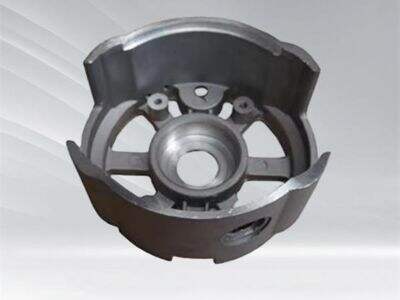
Making parts with custom die casting get tricky, specially for odd shapes. At Runpeng Precision Hardware, we knows that getting it right matters a lot. One main issue we face is "insufficient filling." This occur when the hot metal don't fill up the whole mold. Another challenge are "uneven wall thickness." That mean some areas of the part is thicker then others, which can cause problems down the line. Let’s talk about these issues and some ways we can fix them together.
What Are Key Challenges in Custom Die Casting for Irregular Shapes?
When we make parts by die casting, the shapes can be complicated. Think about pouring soup into a weird bowl—if you go too quick, some spots won't get filled, and that’s like insufficient filling in die casting. It’s annoying! This happen for various reasons. Sometimes the part design make it tough for metal to flow, other times the temp is off. If metal too cool, it won’t fill good. Also, air pockets in mold can block it, like pouring water into a holey balloon; it just fails. Another big problem is uneven wall thickness. If one area thicker, cooling cause stress. Like a pizza frozen uneven—some hard, others soft. That's bad! In die casting, this lead to cracks or breaks later. So these problems make hard to get quality parts that last long.
Where to Find Solutions for Uneven Walls in Die Casting?
To handle uneven wall thickness, we gotta watch the mold design close. It’s like baking cake—if batter not spread even, some overcook while others under. Same for die casting parts. One fix is use thicker spot on purpose then thin it gradual. This help metal cool even when it sets. In addition, flow helpers like runners and gates guide the metal so it fill all areas equal. Another way is adjust cooling system. If we control cooling speed, we can make thickness more uniform. For example, cool some spots faster to avoid stress and cracks. It’s about balance. At Runpeng Precision Hardware, we focus on tweaking designs and using clever tricks to better our casting. By careful with molds and cooling, we make stronger parts that fit customer needs.
When doing custom die cast parts, a big challenge is making walls same thickness around. This important because uneven walls might break easy or not function well. To get uniform walls, follow some best practices. First, design the part careful. Avoid sharp corners and sudden shape changes—instead, use smooth curves and slow shifts so metal flow better in mold. This fill even and keep thickness same. Another step is pick right mold material. High-quality, strong molds keep shape steady during pour—if mold weak, it bend and cause uneven. Cooling metal right is key too. If parts cool too fast, they shrink and thin out. So cool even to prevent that. Sometimes add ribs or supports help with cooling and thickness. Finally, test parts after casting to catch issues early. At Runpeng, we think these practices create solid parts for customers.
Choosing right materials for custom die casting is key for good parts.
The material affect looks and performance. First, think about part purpose. If need strength, aluminum or zinc good—they light but tough. Aluminum resist rust, so suit outdoor. But if high heat, copper best. Each has special traits, so know needs help choose. Also, how easy to cast matter. Some flow better, fill complete with less defects—like magnesium with great flow. Cost count too. Cheap might tempt, but think long-term—a pricier one save on fixes later. At Runpeng Precision Hardware, we suggest work with experts to pick best for your project. Our team explain pros and cons, so you choose right die casting services.
Improving Quality in Wholesale Die Casting Services
Boosting product quality in wholesale die casting is vital for happy customers and reliable parts. One way is careful planning and design—this mean think ahead on making and possible issues. For example, software modeling spot problems before casting, so fix early and save time money. The process itself matter too. Advanced tech and machines give better results—automated often more precise then manual. Keep machines maintained smooth. Train workers key; skilled ones catch issues and adjust. Quality control involve check parts at stages to meet standards. At Runpeng, we take quality serious with strict tests so every part high standard. By focus on design, tech, training, and control, we improve quality and give best to customers.