 EN
EN
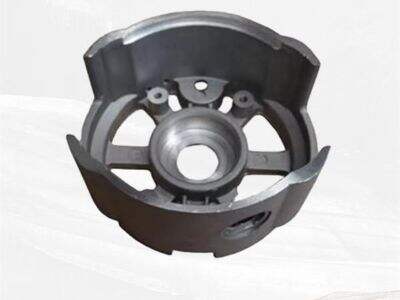
כאשר מדובר בהזרקה מותאמת, המסמך הנכון הוא באמת חשוב. מסמכים אלו עוזרים להבטיח שהמוצר הסופי יתאים לצרכים ולציפיות של הלקוח. ב־Runpeng Precision Hardware אנו יודעים שפרויקט הזרקה איכותי מתחיל בשרטוטים טובים, בחומרים ובתקנים לסליחות. לכן, נבחן אילו מסמכים נדרשים עבור הזרקה מותאמת, יציקת דוגמנים ונתמקד בשלושה נושאים מרכזיים: שרטוטים תלת־ממדיים, דרישות החומר ותקני הסליחות. כל אחד מהם משחק תפקיד משמעותי באיך שהמוצר יראה בסופו של דבר.
איך מכינים שרטוטים תלת־ממדיים להצלחת הזרקה?
יצירת שרטוטים תלת־ממדיים היא כמו ציור תוכנית לבניין. ממש כמו שבנאים צריכים לראות את הבית לפני הבנייה, גם בהזרקה יש צורך בשרטוטים מדויקים כדי לראות איך החלק יתכנס. כדי להתחיל, ניתן להשתמש בתוכנות כגון AutoCAD או SolidWorks ליצירת מודלים תלת־ממדיים מפורטים. שרטוטים אלו חייבים להציג בבירור ממדים, צורות ומאפייני החלק. ככל שהפרטים יותר מפורטים, כך ההישגיות טובה יותר. שרטוט טוב יציג את הגודל ודברים מיוחדים כגון חורים או חריצים.
למשל, אם יוצרים חלק מתכת לרכב, השרטוט חייב לכלול את עובי המתכת, את מיקום החורים ומידע חשוב אחר. גם חשוב לחשוב על תהליך הייצור – כלומר, לבחון כיצד המתכת המותכת זורמת לתבנית וכיצד היא nguית, מכיוון שגורמים אלו משפיעים על הצורה והחוזק של החלק. שיתוף פעולה עם מהנדסים ומעצבים עוזר להבטיח שהשרטוטים נכונים. ולבסוף, יש לשתף אותם עם צוותנו ב־Runpeng Precision Hardware כדי שנוכל לבדוק אם קיימים בעיות לפני התחלת הייצור. תקשורת טובה היא המפתח למוצרים מצוינים.
היכן ניתן למצוא את דרישות החומר למוצרים איכותיים מיוצרות בתבנית?
דרישות החומר הן עוד גורם מרכזי בהזרקה לתבנית. בחירת חומרים מתאימים יכולה לשנות באופן משמעותי את החוזק, המשקל והעמידות של המוצר. בדרך כלל, מוצאים את مواصفות החומר במדריכי תעשייה או בתקנים מקוונים. לדוגמה, חומרים כמו אלומיניום וצינק נפוצים בהזרקה לתבנית כיוון שהם קלים וחזקים.
בעת בחירת החומר, בדקו את תכונותיו. לדוגמה, בדקו כיצד הוא מתנגד לעייפות, כיצד הוא עמיד לחום, ואם הוא קל לשימוש. מידע זה נמצא לעיתים קרובות בגליונות הטכניים של הספקים. בנוסף, חשוב לחשוב על המקום שבו המוצר יישמר או ישמש. אם הוא ימוקם במקום רטוב, בחרו חומר שמתנגד לקורוזיה.
ב־Runpeng Precision Hardware אנו ממליצים לשתף פעולה עם מומחי חומרים כדי למצוא את הבחירות הטובות ביותר. הם מדריכים אתכם לבחירת חומרים המתאימים לצרכים ולתקציב שלכם. כך נמנעים מבעיות בעתיד, כגון חלקים שמתליבשים במהרה. בחירות טובות מובילים למוצרים חזקים יותר וארוכי טווח, מה שמהווה דרישה של הלקוחות.
בסופו של דבר, מסמכים נכונים כמו ציורים תלת־ממדיים ודרישות החומר הם חיוניים להזמנות מותאמות אישית หล่ออลูมิเนียม . עם הכנה טובה, הפרויקט שלכם יתקדם ללא הפרעות ויתן פריטים באיכות גבוהה אשר עומדים בציפיות.
אילו בעיות נפוצות עולות בתחום המסמכים ליציקת תבניות?
בזריקה מותאמת אישית של תבניות, מסמכים הם מאוד חשובים. אם הם אינם ברורים או מלאים, נוצרים בעיות. אחת הבעיות הנפוצות היא חוסר פרטים בשרטוטים תלת-ממדיים הנוגעים לזריקה. אם חלקים או מידות אינם ברורים, ייתכן שהמוצר לא יתגבש כראוי. זה מבזבז חומרים וזמן. בעיה נוספת קשורה לצרכים בחומר — אם המסמכים לא מציינים איזה חומר יש להשתמש בו, יצרנים עלולים לבחור בחומרים שגויים. זה משפיע על העוצמה והאיכות. לבסוף, סטנדרטי הסובלנות חשובים. הם מציינים עד כמה שינוי בגודל מותר. אם הם אינם ברורים, החלקים לא יתאימו כראוי, מה שגורם לעיכובים ולייתרויות בעלויות. ב־Runpeng Precision Hardware אנו מכירים את הבעיות הללו. אנו בוחנים את כל המסמכים בזהירות כדי להימנע מהן. בכך אנו עוזרים ללקוחות להשיג את התוצאות הטובות ביותר מפרויקטים שלהם. מסמכים טובים הם הצעד הראשון להצלחה.
איך לאופטם שרטוטים תלת-ממדיים לשם יעילות בזריקה מותאמת אישית של תבניות?
שרטוטים תלת־ממדיים חשובים בהזרקה לתבנית. הם עוזרים לכולם להבין איך יראה המוצר הסופי. כדי להפוך אותם מועילים יותר, יש לקחת בחשבון כמה נקודות. ראשית, להיות מפורטים – להציג את כל התכונות, כגון קווים, חריצים וצורות. פרטים נוספים עוזרים. שנית, להשתמש בתוכנות מתאימות. חלק מתוכנות השרטוט עדיפות להזרקה לתבנית, מה שמביא לדיוק בשרטוטים. שלישית, להוסיף הערות. הן מסבירות תכונות או דרישות מסוימות, ומועילות במיוחד ביחס לסיבולת ולחומרים. חלקים של זריקת מתכת ב־Runpeng Precision Hardware אנו ממליצים על לקוחותינו לספק שרטוטים תלת־ממדיים ברורים. זה עוזר לנו להבין טוב יותר את הצרכים שלהם ולמהר בתהליך הייצור. כאשר כולם מסכימים מראש, התהליך זורם בצורה חלקה ויעילה יותר. אופטימיזציה של השרטוטים מבטיחה שהמוצרים יתאימו לציפיות באופן מיטבי.
מה קונים סיטונאיים צריכים לדעת על תקני ההזרקה לתבנית?
קונים סיטונאים צריכים ללמוד על תקני הזרקת מתכת לפני הקנייה. תקנים אלה מבטיחים שהמוצרים יוצרו נכון ובטוחים. ראשית, הכר את תקני הסובלנות – עד כמה סטייה בגודל מותרת. אם הסובלנות גבוהה מדי, החלקים לא יתאימו; אם היא צמודה מדי, קשה לייצר. שנית, הקפד על דרישות החומר. פרויקטים שונים צריכים חומרים שונים בהתאם לחוזק, משקל וגורמים נוספים. הידיעה מה לשאול תמנע בעיות בהמשך. שלישית, חפש ספקים העוקבים אחר חוקי התעשייה. בדוק אישורים או הנחיות מקבוצות הזרקת המתכת. ב-Runpeng Precision Hardware, אנו עומדים בכל התקנים. אנו רוצים שהקונים ירגישו בטוחים באיכות שלנו. הבנת זה תעזור בקבלת החלטות טובות יותר ולקבלת מוצרים טובים המתאימים לצרכים. זה נוגע לכולם ששואפים לסטנדרטים גבוהים.