 EN

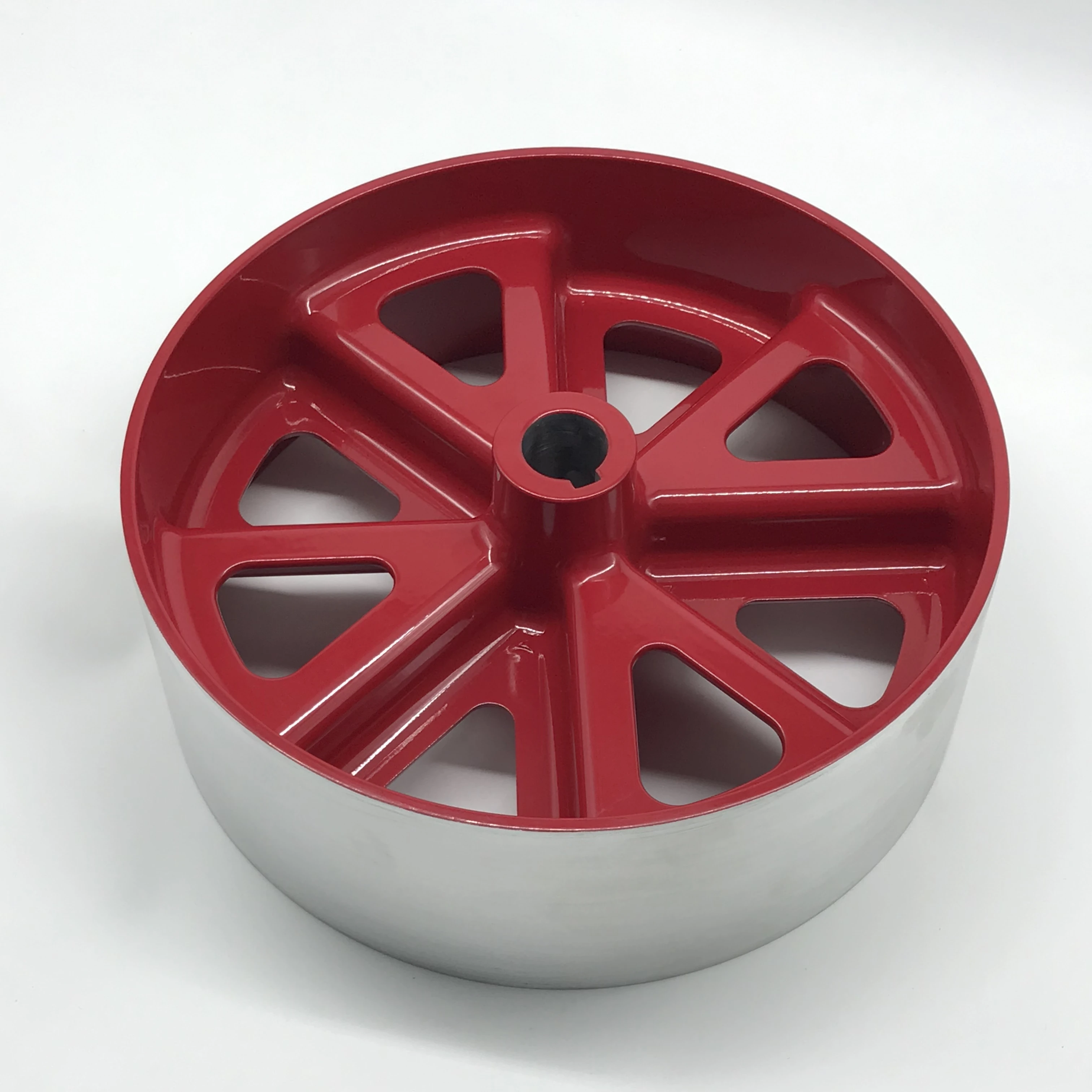
Precision metal casting is an important method used in making parts for industries like aerospace and medical. At Runpeng Precision Hardware, we understand that designing these parts takes a lot of skill and knowledge. Precision metal casting helps create strong and detailed components that are needed for planes, helicopters, and medical devices like implants and surgical instruments. This method allows designers to make complex shapes that are hard to achieve with other techniques. Using precision metal casting, we can ensure that every part meets the high standards required for safety and performance.
How to Choose the Right Precision Metal Casting Techniques for Your Project Needs
Choosing the right precision lost wax metal casting technique can be tricky. First, think about what you need. Are you making small parts or big ones? Different techniques work better for different sizes. For example, if you need a small, detailed part, investment casting might be the best choice. It allows for intricate designs. On the other hand, sand casting can be great for larger, simpler shapes. Next, consider the material. Aluminum, steel, and titanium all have different properties. Aluminum is light and strong, making it a top choice for aerospace. Steel is tough and can handle heavy loads. Titanium is super strong and resistant to corrosion, perfect for medical tools that need to be sterilized. Another thing to think about is the finish. Some projects need a smooth surface, while others can handle rougher finishes. Also, the number of parts you need matters. If you need just a few parts, it might be best to go with a method that is easy to set up but more expensive per piece. If you need many parts, a more complex but cheaper setup might save you money. Lastly, don’t forget about time. Some casting methods take longer than others. At Runpeng Precision Hardware, we can help you find the best method for your project, considering all these factors. We have the tools and knowledge to guide you through the process.
What Makes Precision Metal Casting Ideal for Complex Aerospace and Medical Components?
Precision metal casting is perfect for creating complex parts used in aerospace and medical applications. Why? Because it allows for great detail and precision in each piece. For instance, in aerospace, parts often need to fit together perfectly to ensure safety and performance at high altitudes. Using precision metal casting, we can create parts that fit well with other components, avoiding problems during assembly. The strong materials used in casting can handle the extreme conditions of flight, making them reliable and safe. In the medical field, precision is even more critical. Devices like heart valves or surgical instruments must be made with high accuracy to ensure they work properly in the human body. Any mistake can lead to severe consequences. Precision casting helps create these vital components with the exact measurements needed. Additionally, the ability to create complex shapes means that designers can innovate and develop new medical devices that save lives. For example, custom implants can be made using this method, tailored to fit an individual's needs. At Runpeng Precision Hardware, we pride ourselves on using precision metal casting to produce high-quality parts that meet the strict requirements of both industries. By focusing on detail and quality, we help our clients achieve their goals without compromising safety or performance.
Where to Source Reliable Wholesale Suppliers for Precision Metal Casting Services
Finding the right suppliers for precision metal die-casting services is very important, especially for designers in aerospace and medical fields. To start, it is a good idea to look online. Websites like industry directories can help you find many suppliers. These directories often show reviews from other customers, which can give you a good idea of the supplier's reputation. You can also check if they are certified. Certifications show that a company meets certain standards for quality and safety. For example, look for suppliers who have ISO certifications. This means they follow strict rules to make sure their products are good. Another way to find suppliers is to attend trade shows. At these events, you can meet many suppliers in one place. You can see their products, ask questions, and even discuss your specific needs. Networking with other designers can also help. If you know someone who has used a supplier, ask them about their experience. Personal recommendations can be very helpful. Don't forget to ask for samples before making a big order. This way, you can test the quality of the metal casting before committing. Finally, consider reaching out to local suppliers. Sometimes, working with someone nearby can make communication easier and help with faster shipping. Runpeng Precision Hardware is a great example of a reliable supplier that offers high-quality precision metal casting services tailored for both aerospace and medical designs.
What Are the Latest Trends in Precision Metal Casting for Aerospace and Medical Design?
Precision metal casting is always changing, especially in the aerospace and medical fields. One of the latest trends is the use of advanced materials. Designers are now using lighter and stronger metals. This is important for aerospace because airplanes need to be light to fly efficiently. In the medical field, stronger materials can help create better tools and devices. Another trend is the use of 3D printing technology in the casting process. 3D printing allows designers to create complex shapes that were hard to make before. This helps in making parts that fit perfectly in their designed space. Additionally, many companies are focusing on sustainability. They are looking for ways to reduce waste and use recyclable materials. This is good for the environment and can also save money. Automation is becoming more common too. Machines can help speed up the casting process and improve quality. With automation, there are fewer mistakes, and products can be made faster. Finally, data and technology are playing a big role in precision metal casting. Designers are using software to create better designs and predict how materials will behave. This helps in making stronger and more reliable parts. Runpeng Precision Hardware is at the forefront of these trends, providing innovative solutions for aerospace and medical designers.
How to Troubleshoot Common Challenges in Precision Metal Casting Processes
While working with precision metal investment casting, challenges can arise. One common issue is defects in the cast parts. This can happen due to several reasons, such as temperature changes or poor material quality. To troubleshoot this, start by checking the temperature of the metal before casting. Make sure it is at the right level. If the temperature is too low, the metal may not fill the mold properly. If it is too high, it could cause other problems. Another challenge is getting the right design. Sometimes, a part may not fit as expected. To avoid this, always double-check the designs before starting the casting process. Using computer-aided design (CAD) software can help spot problems early on. If a defect does occur, analyze the mold. Sometimes, the mold may have imperfections that affect the final product. Inspecting the mold regularly can help catch these issues. Additionally, communication with the team is key. If you notice a problem, discuss it with your colleagues. They may have ideas on how to fix it. Lastly, if a part breaks or doesn’t work, don’t be afraid to redo the casting. It is better to take extra time to fix a problem than to send out a defective part. Runpeng Precision Hardware understands these challenges and works closely with designers to ensure high-quality results in all their projects.
Table of Contents
- How to Choose the Right Precision Metal Casting Techniques for Your Project Needs
- What Makes Precision Metal Casting Ideal for Complex Aerospace and Medical Components?
- Where to Source Reliable Wholesale Suppliers for Precision Metal Casting Services
- What Are the Latest Trends in Precision Metal Casting for Aerospace and Medical Design?
- How to Troubleshoot Common Challenges in Precision Metal Casting Processes